Buying a Tarantula: Breeders, Expos and Shipping
Buying a tarantula can be straightforward when you know what to ask for, but it is still a live animal purchase. You want an animal that is correctly identified, active or stable for its life stage, and moved home without heat, cold, or long handling stress.
The three decisions that matter most are the seller, the life stage, and the paperwork if the animal will cross a state or national border. A cheap mislabeled animal can cost weeks of stress and a dead enclosure setup.
Do not rush. Have a simple holding container ready before you pay, especially if it will arrive in a box. If you are also considering other beginner pets, read pet invertebrates for beginners before you choose.
Quick takeaways
- A breeder, reputable expo vendor, or trusted online seller is usually safer than an unidentified pet store animal.
- Get the exact current scientific name, sex if known, approximate age, feeding history, and whether it is captive born or wild caught.
- A sling is a small juvenile. It is fun to raise, but it is easier to lose if the enclosure, temperature, or feeding is off.
- Cold weather shipping can be made safer with an insulated box, a heat pack kept off direct contact, and quick pickup, but it is still a risk.
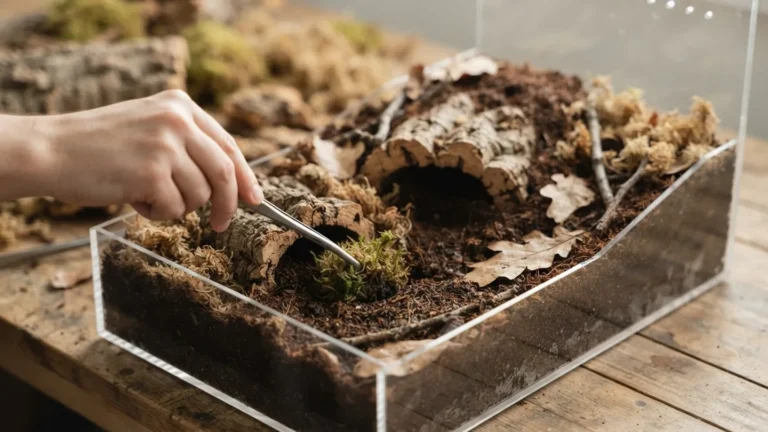
- Set up a quiet, dry, room temperature holding box before the animal arrives. Do not feed it on the first day.
Where to buy a tarantula
Each selling channel has different strengths. A local breeder or a good expo seller can let you see the animal. A pet store can be fine if the label, vendor, and display are honest. An online shipment can work when the seller knows the species and the weather.
The best source is the one that can answer basic questions without guessing.
| Cork & Chitin | Practical care sheets for tarantulas, jumping spiders, isopods and springtails | Cork & Chitin | Practical care sheets for tarantulas, jumping spiders, isopods and springtails | ||
|---|---|---|---|
| Cork & Chitin | Practical care sheets for tarantulas, jumping spiders, isopods and springtails | Cork & Chitin | Practical care sheets for tarantulas, jumping spiders, isopods and springtails | Cork & Chitin | Practical care sheets for tarantulas, jumping spiders, isopods and springtails | Cork & Chitin | Practical care sheets for tarantulas, jumping spiders, isopods and springtails |
| Cork & Chitin | Practical care sheets for tarantulas, jumping spiders, isopods and springtails | Cork & Chitin | Practical care sheets for tarantulas, jumping spiders, isopods and springtails | Cork & Chitin | Practical care sheets for tarantulas, jumping spiders, isopods and springtails | Cork & Chitin | Practical care sheets for tarantulas, jumping spiders, isopods and springtails |
| Cork & Chitin | Practical care sheets for tarantulas, jumping spiders, isopods and springtails | Cork & Chitin | Practical care sheets for tarantulas, jumping spiders, isopods and springtails | Cork & Chitin | Practical care sheets for tarantulas, jumping spiders, isopods and springtails | Cork & Chitin | Practical care sheets for tarantulas, jumping spiders, isopods and springtails |
| Cork & Chitin | Practical care sheets for tarantulas, jumping spiders, isopods and springtails | Cork & Chitin | Practical care sheets for tarantulas, jumping spiders, isopods and springtails | Cork & Chitin | Practical care sheets for tarantulas, jumping spiders, isopods and springtails | Cork & Chitin | Practical care sheets for tarantulas, jumping spiders, isopods and springtails |
How to judge a careful seller
Ask for a photo of the exact animal, not a generic stock image. Ask where it came from. If the animal is wild caught, ask about the collecting country, import status, and whether the seller can provide paperwork. If it is captive born, ask the parent or clutch information when possible.
A careful seller will not care about a fancy case or a pretty common name. They will care that the animal is identified and moving safely.
Before you pay
Cork & Chitin | Practical care sheets for tarantulas, jumping spiders, isopods and springtails
Cork & Chitin | Practical care sheets for tarantulas, jumping spiders, isopods and springtails
Cork & Chitin | Practical care sheets for tarantulas, jumping spiders, isopods and springtails
Cork & Chitin | Practical care sheets for tarantulas, jumping spiders, isopods and springtails
Cork & Chitin | Practical care sheets for tarantulas, jumping spiders, isopods and springtails
Cork & Chitin | Practical care sheets for tarantulas, jumping spiders, isopods and springtails
Cork & Chitin | Practical care sheets for tarantulas, jumping spiders, isopods and springtails
Cork & Chitin | Practical care sheets for tarantulas, jumping spiders, isopods and springtails
Cork & Chitin | Practical care sheets for tarantulas, jumping spiders, isopods and springtails
Cork & Chitin | Practical care sheets for tarantulas, jumping spiders, isopods and springtails
Cork & Chitin | Practical care sheets for tarantulas, jumping spiders, isopods and springtails
Cork & Chitin | Practical care sheets for tarantulas, jumping spiders, isopods and springtails
Sling or adult
Life stage matters more than size alone. A sling can grow under your hands, but an adult may already show the species temperament and body shape.
Choose the life stage with care
Cork & Chitin | Practical care sheets for tarantulas, jumping spiders, isopods and springtails
Cork & Chitin | Practical care sheets for tarantulas, jumping spiders, isopods and springtails
Cork & Chitin | Practical care sheets for tarantulas, jumping spiders, isopods and springtails
Cork & Chitin | Practical care sheets for tarantulas, jumping spiders, isopods and springtails
Cork & Chitin | Practical care sheets for tarantulas, jumping spiders, isopods and springtails
Cork & Chitin | Practical care sheets for tarantulas, jumping spiders, isopods and springtails
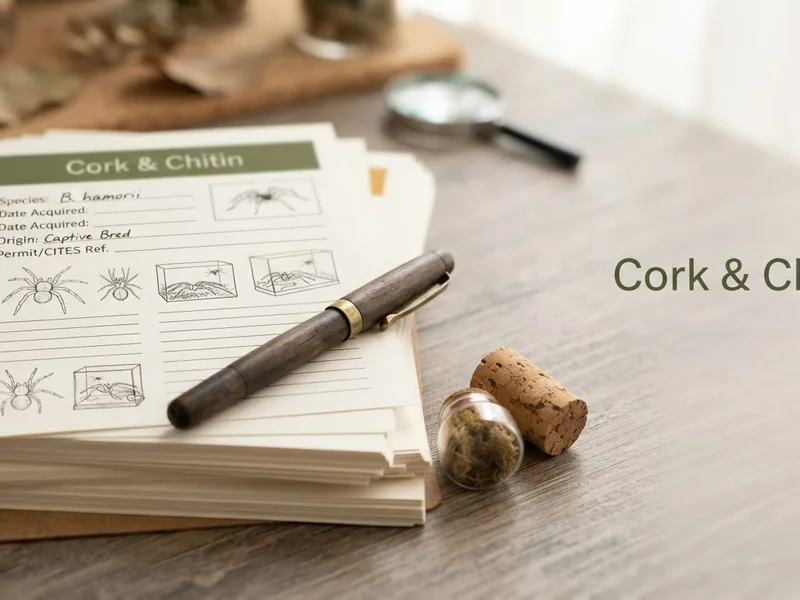
Paperwork, CITES and state rules
Tarantula trade can fall under CITES, the international system for regulating trade in listed animals and plants. If you buy an animal from another country, or if an animal has moved through an international border, ask the seller whether CITES documentation applies to that species and route. Do not rely on a pet store label.
State rules also vary. Some states have import, quarantine, wildlife, or agriculture requirements for live animals. Check current state guidance before buying from another state, and ask the seller to confirm what is legal for that animal.
Keep receipts and any permit paperwork with the animal if it is being shipped. This is general guidance, not legal advice. If the paperwork is unclear, slow down.
Pros
- Cork & Chitin | Practical care sheets for tarantulas, jumping spiders, isopods and springtails
- Cork & Chitin | Practical care sheets for tarantulas, jumping spiders, isopods and springtails
- Cork & Chitin | Practical care sheets for tarantulas, jumping spiders, isopods and springtails
- Cork & Chitin | Practical care sheets for tarantulas, jumping spiders, isopods and springtails
Cons
- Cork & Chitin | Practical care sheets for tarantulas, jumping spiders, isopods and springtails
- Cork & Chitin | Practical care sheets for tarantulas, jumping spiders, isopods and springtails
- Cork & Chitin | Practical care sheets for tarantulas, jumping spiders, isopods and springtails
Cold weather shipping
If the outdoor temperature will be at or below 32°F, do not accept a live animal unless the seller has a specific plan. In freezing weather, a regular cardboard box is not enough. Insulated liners and heat packs can help, but the seller must know where the box will move before you receive it.
Do not let a heat pack touch the animal or sit directly against the spider container. It can overheat, melt, or stress the animal. When the box arrives, open it quickly. If the spider looks stiff, soft, injured, or is inside an old molt, do not feed it. Place it in a quiet, warm, dry temporary container and observe before deciding what to do.
Frequently asked questions
What does a healthy tarantula look like?
It moves in response to light or touch, has legs extended rather than curled, no collapsed abdomen, and no obvious mold in the container. Fresh molts may be soft and pale for a short time, so molting is not automatically unhealthy.
Is a molting or premolting animal a bad buy?
A healthy premolting sling can be fine, but it will hide and not feed. A shipped animal in molt is more stressful to observe. Ask before buying if you do not know how to handle molting.
Can I buy from a pet store?
Yes if the label is specific, the vendor can identify the animal, and the display is not cold or soaking wet. If the only name is a hobby nickname and the container looks abandoned, walk away.
Should I ask for the scientific name?
Always. Common names and older hobby names cause mistakes. Get the current scientific name and any former name in writing.
Do I need a CITES permit for a pet tarantula sold in the US?
For a simple US domestic sale, you usually do not carry a CITES permit yourself, but the seller and import route must follow CITES and other laws. If you buy across an international border, assume paperwork may be required and verify current rules.
What if the animal arrives injured or looks wrong?
Photograph the box, insert, animal, and paperwork before you release it into a permanent enclosure. Contact the seller before disposing of anything. If a leg is damaged or the abdomen is ruptured, keep it clean, dry, and undisturbed while you decide.