Skip to content
Logo Cork & Chitin

Cork & Chitin

  • Home
  • About us
  • Blog
  • Contact
Logo Cork & Chitin
Cork & Chitin
  • Isopods and Springtails Together: Differences and Keeping Both
    Springtails

    Isopods and Springtails Together: Differences and Keeping Both

    ByCork & Chitin Editorial November 28, 2026

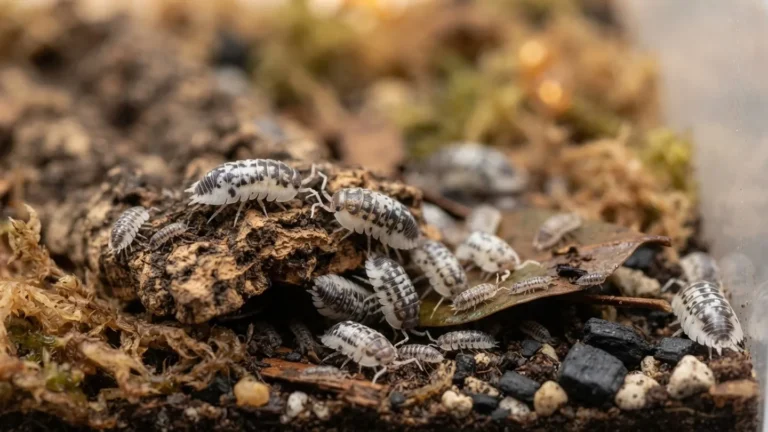
    HIsopods and springtails are both small animals used as clean-up crews in bioactive setups. A bioactive setup is a living enclosure that relies on substrate, leaf litter, fungi and invertebrates to process waste and reduce mold. They often work in the same box, but they do not do the same job. Springtails are tiny grazers…
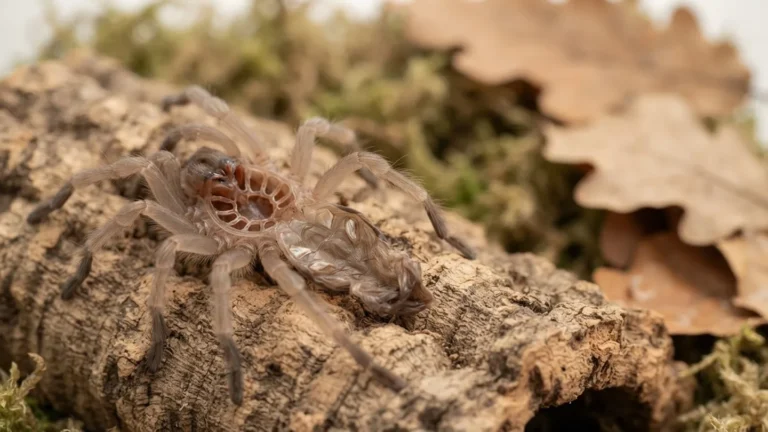
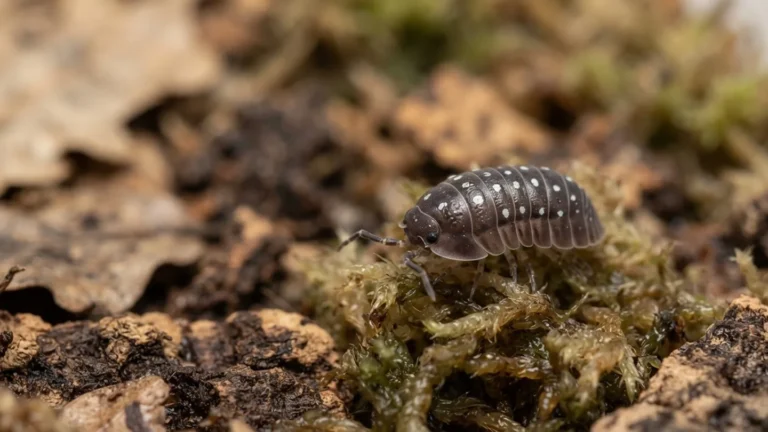
    Read More Isopods and Springtails Together: Differences and Keeping BothContinue

  • How to Sex a Tarantula: Molts, Hooks and Ventral Sexing
    Tarantula Care

    How to Sex a Tarantula: Molts, Hooks and Ventral Sexing

    ByCork & Chitin Editorial November 27, 2026

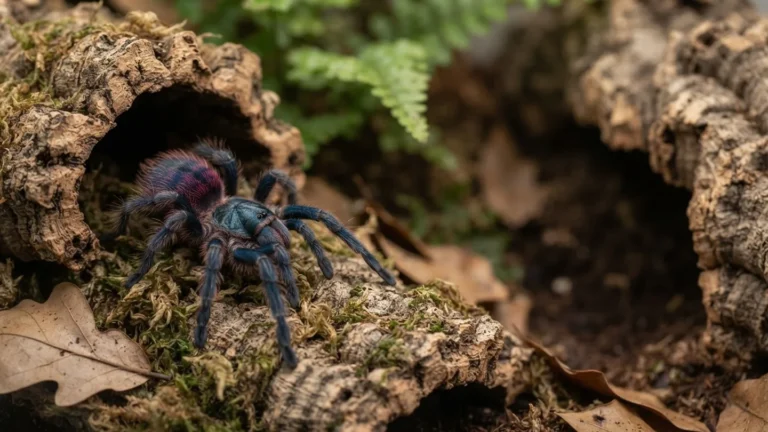
    You may want to know whether your tarantula is a long-lived female or a mature male. That answer changes expectations, but it should not change how you care for the animal tonight. If the spider is young, the best news is often boring news: most keepers wait for a clean molt or adult male signs…

    Read More How to Sex a Tarantula: Molts, Hooks and Ventral SexingContinue

  • Why Are My Isopods Dying? Common Causes and Fixes
    Isopod Care

    Why Are My Isopods Dying? Common Causes and Fixes

    ByCork & Chitin Editorial November 26, 2026

    Isopods are easy to keep, but they are not aquarium gravel. A few dry days, one bad leaf batch, or a missed calcium source can turn a healthy culture into a thinning one. In a bioactive enclosure, they are usually part of a clean-up crew, the mix of isopods and springtails added to help break…

    Read More Why Are My Isopods Dying? Common Causes and FixesContinue

  • Are Tarantulas Poisonous? Venom, Risk and Real Danger
    Tarantula Care

    Are Tarantulas Poisonous? Venom, Risk and Real Danger

    ByCork & Chitin Editorial November 25, 2026

    T arantulas are venomous, not poisonous. They make venom inside their bodies and deliver it through a bite. A poisonous animal is usually dangerous when swallowed, touched, or absorbed, and tarantulas are not that kind of animal. No pet tarantula species has a documented record of killing a healthy person. Most pet bites cause local…

    Read More Are Tarantulas Poisonous? Venom, Risk and Real DangerContinue

  • How to Breed Isopods: Growing a Culture Fast
    Isopod Care

    How to Breed Isopods: Growing a Culture Fast

    ByCork & Chitin Editorial November 24, 2026

    Breed Isopods. Most starter cultures grow slowly because the animals are adjusting to a new tub, a new moisture balance, or a room that runs too cool. If you give them stable warmth, calcium, leaf litter, and quiet, the breeding cycle becomes visible in a few weeks to a few months. A fast culture is…

    Read More How to Breed Isopods: Growing a Culture FastContinue

  • How to Culture Springtails: Charcoal and Soil Methods
    Springtails

    How to Culture Springtails: Charcoal and Soil Methods

    ByCork & Chitin Editorial November 23, 2026

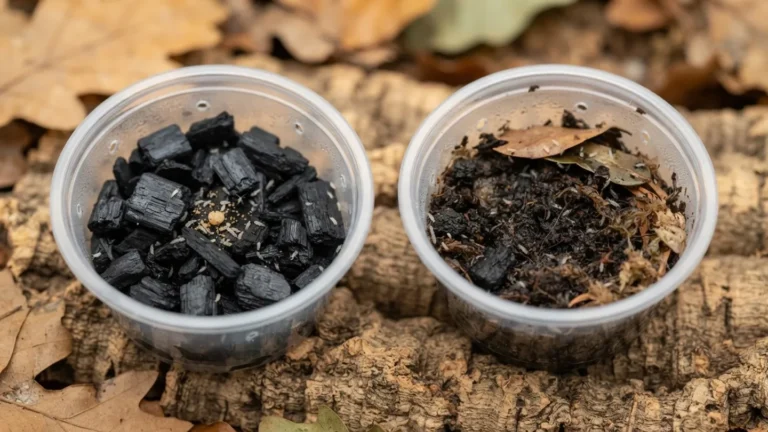
    A springtail culture is a small cup of live springtails that you grow at home. Springtails are tiny arthropods in the group Collembola, and they need moisture, food scraps, and a surface to crawl over. Many keepers use them as a clean up crew in bioactive terrariums, because they help break down mold, dead roots,…

    Read More How to Culture Springtails: Charcoal and Soil MethodsContinue

  • Why Is My Tarantula Not Eating?
    Tarantula Care

    Why Is My Tarantula Not Eating?

    ByCork & Chitin Editorial November 22, 2026

    The most likely reason is premolt, the stage before a molt. Other common causes are a new enclosure, a full abdomen, a cool room, or a mature male slowing its metabolism. A healthy sling, meaning a very young tarantula, may skip food for 1 to 2 weeks. A juvenile may skip 2 to 4 weeks….

    Read More Why Is My Tarantula Not Eating?Continue

  • Male vs Female Jumping Spider: How to Tell Them Apart
    Jumping Spider Care

    Male vs Female Jumping Spider: How to Tell Them Apart

    ByCork & Chitin Editorial November 21, 2026

    A jumping spider sexing check is easiest after the spider has gone through a few molts. If your spider is a fresh sling, the answer may not be visible yet. The core clue is the pedipalps, also called palps, the two front appendages near the mouth. This guide focuses on common North American pet species…

    Read More Male vs Female Jumping Spider: How to Tell Them ApartContinue

  • Jumping Spider Feeding Chart: How Often and How Much
    Jumping Spider Care

    Jumping Spider Feeding Chart: How Often and How Much

    ByCork & Chitin Editorial November 20, 2026

    You are building the feeding routine around the animal in the container, not around a calendar. Jumping spiders change appetite with size, room temperature, molts, and whether they are still growing or already adult. This jumping spider feeding chart gives conservative prey size, amount, and frequency from tiny spiderling to adult, so you can act…

    Read More Jumping Spider Feeding Chart: How Often and How MuchContinue

  • Best Tarantula Substrate: Coco Fiber, Topsoil and Mixes
    Tarantula Care

    Best Tarantula Substrate: Coco Fiber, Topsoil and Mixes

    ByCork & Chitin Editorial November 19, 2026

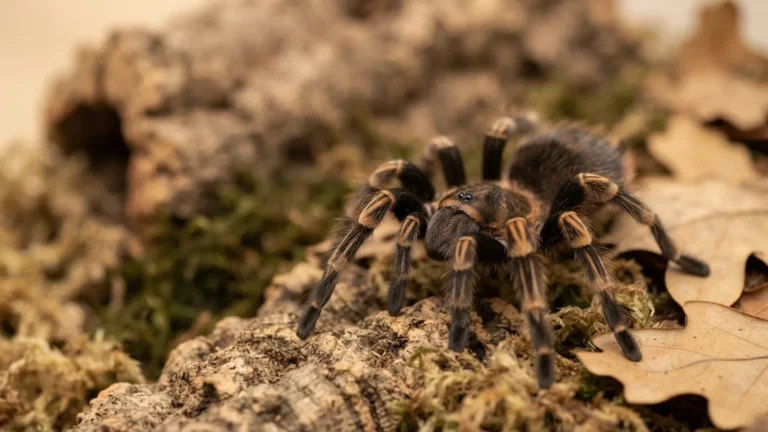
    S substrate is one of the fastest ways to make a tarantula setup work, and one of the easiest ways to ruin it. The wrong depth, the wrong moisture or the wrong ingredient can cause stuck molts, mold, burrow collapse and unnecessary stress. For most beginners, coco fiber and untreated organic topsoil are the two…

    Read More Best Tarantula Substrate: Coco Fiber, Topsoil and MixesContinue

Page navigation

1 2 3 … 5 Next PageNext

Cork & Chitin

Practical care sheets for tarantulas, jumping spiders, isopods and springtails, written for keepers who want the setup right tonight.

Navigatie

  • Home
  • About us
  • Blog
  • Contact

Juridisch

  • Disclaimer
  • Privacy Policy Template
  • [email protected]

© 2026 Cork & Chitin

We use cookies to measure site usage. You can change your choice at any time.

  • Home
  • About us
  • Blog
  • Contact