Are Tarantulas Poisonous? Venom, Risk and Real Danger
T arantulas are venomous, not poisonous. They make venom inside their bodies and deliver it through a bite. A poisonous animal is usually dangerous when swallowed, touched, or absorbed, and tarantulas are not that kind of animal.
No pet tarantula species has a documented record of killing a healthy person. Most pet bites cause local pain, redness, and swelling. The bigger risks are rare allergic reactions, repeated bites, and irritation from the tiny hairs some New World species throw.
Contents of this guide
Venom and poison mean different things
Venom is made in the animal and injected by a bite or sting. Poison is a toxin the animal carries on the outside, or inside if it is swallowed. A pufferfish can poison you if it is swallowed, and a dart frog can poison you if it is touched. A tarantula delivers venom by a bite.
This matters because a bite is not the same risk as touching or swallowing an animal. A pet tarantula does not spread poison across the room. The concern is what happens when it bites, or when it throws urticating hairs.
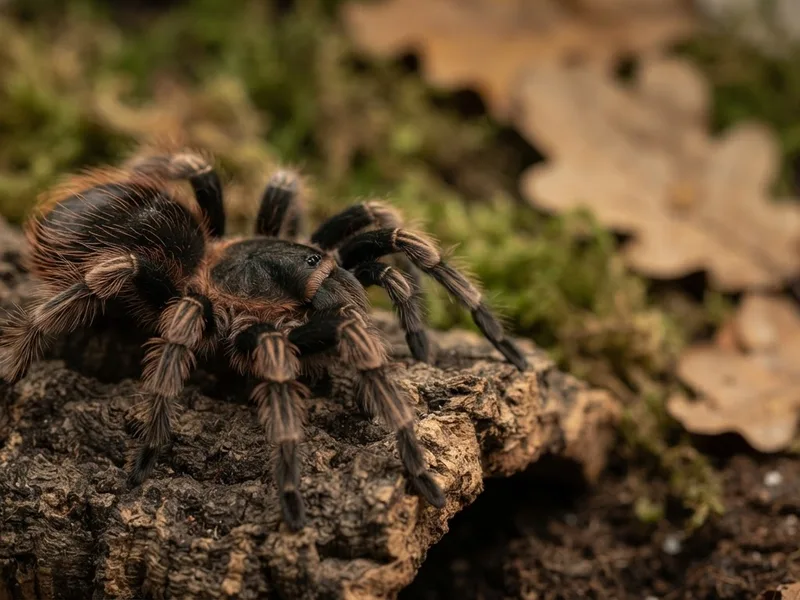
Urticating hairs are tiny barbed hairs on the abdomen of many New World tarantulas. They are not venom, but they can irritate skin, eyes, and lungs. A handler who feels a mild sting and then redness may be dealing with hairs, not only venom.
| Feature | New World tarantulas | Old World tarantulas |
|---|---|---|
| Geography | Americas | Africa, Asia, Europe, and Australia |
| Urticating hairs | Many species can throw tiny irritating hairs from the abdomen | Most species lack urticating hairs |
| Venom effect on humans | Usually local pain, redness, and swelling, with species variation | Some species may cause stronger local pain, but reactions vary |
| Typical defensive style | May flick hairs, retreat, or bite if provoked | May bite more readily and often lack hair defense |
| Beginner note | A calm, slow species can be suitable if handled sparingly | Better kept for display unless experienced and comfortable with bite risk |
Real risk comes from bites, allergies, and hairs
Most healthy adults can keep pet tarantulas with very low risk of death. That is not the same as zero risk. A bite can hurt, and a reaction can be worse than expected.
The people with more real risk include young children, people with insect allergy histories, anyone with trouble breathing or swallowing, and handlers who keep large, fast, or defensive species. A person who keeps a tarantula for calm observation faces less risk than someone who handles it often.
Urticating hairs add another layer. A few stray hairs can cause a sore throat or itchy skin, and a disturbed culture can send hairs into the air. Wash hands after working around New World species. Avoid rubbing eyes, and keep cultures away from open breathing zones.
What to do after a tarantula bite
Stop handling
Move away, place the tarantula back in its enclosure, and close the lid. Do not chase it for a better look.
Clean and cool the bite
Wash the bite with mild soap and clean water. A cool compress can reduce soreness.
Watch your reaction
Most bites stay local. Watch for spreading redness, worsening pain, muscle aches, cramping, dizziness, hives, facial swelling, throat tightness, trouble breathing, or vomiting.
Get help for red flags
If whole body symptoms appear, call poison control or seek urgent care. Do not wait to see if it passes. This is general keeper information, not medical advice. For health questions, read the [site disclaimer](disclaimer).
Handle urticating hairs separately
If hairs are the problem, rinse the area and change clothes. Tape can lift some hairs from skin. If hairs get in an eye, seek medical care.
Common questions about tarantula danger
Are tarantulas poisonous?
No. Tarantulas are venomous. They produce venom and inject it through a bite. Poison is a toxin that harms you if swallowed, touched, or absorbed, and a pet tarantula is not that kind of animal.
Can a pet tarantula kill a healthy adult?
No pet tarantula species has a documented record of killing a healthy person. Still, allergic reactions and repeated bites can be serious, so the correct mindset is calm caution, not alarm.
Are Old World tarantulas more dangerous?
Not all of them, and danger is not simple. Old World tarantulas often lack urticating hairs and may bite more readily. Some species can cause stronger local pain, but reactions vary by species, amount, and person.
Do tarantulas have urticating hairs?
Many New World species do. They are tiny barbed abdominal hairs that can irritate skin, eyes, and lungs. Most Old World species lack them.
Should tarantulas be kept away from children?
Yes. Tarantulas are display animals for households with young children. Kids can knock an enclosure, mishandle the spider, or get bitten while the spider is trying to escape.