How to Culture Springtails: Charcoal and Soil Methods
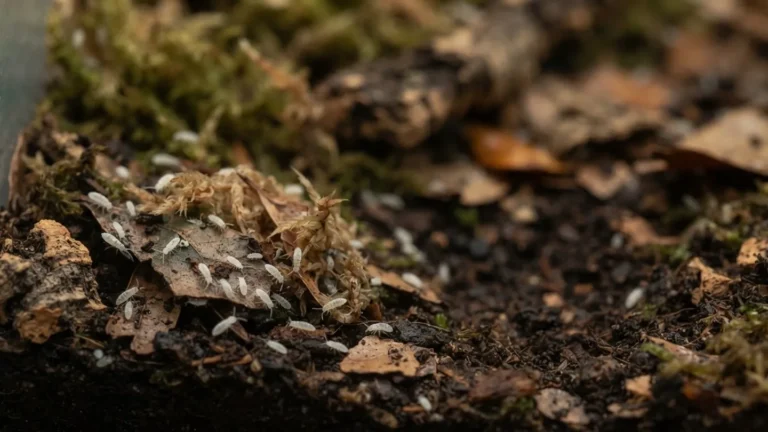
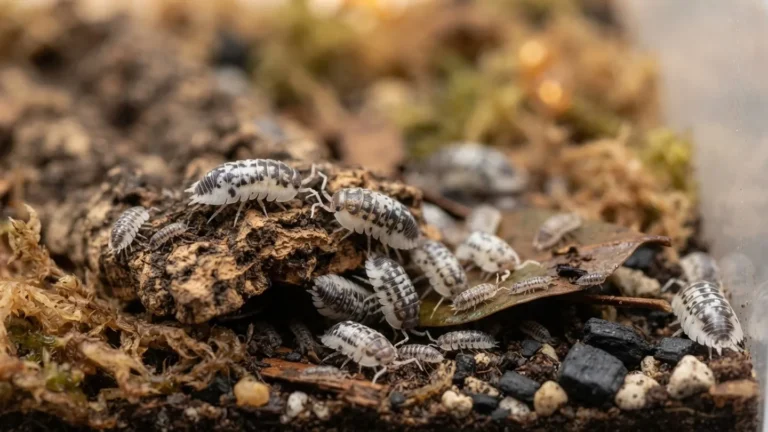
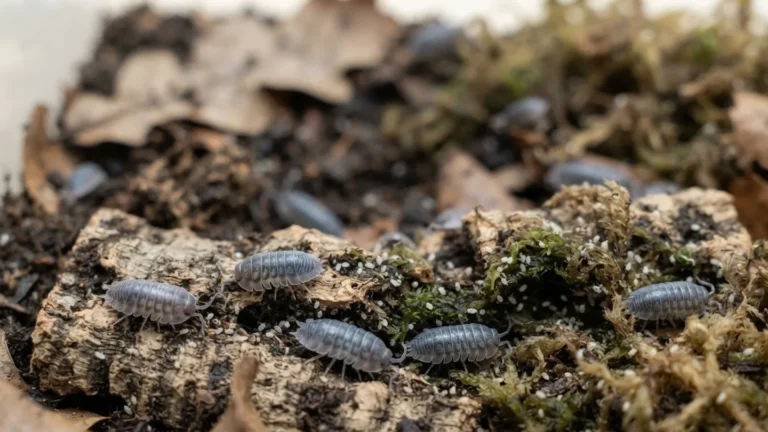
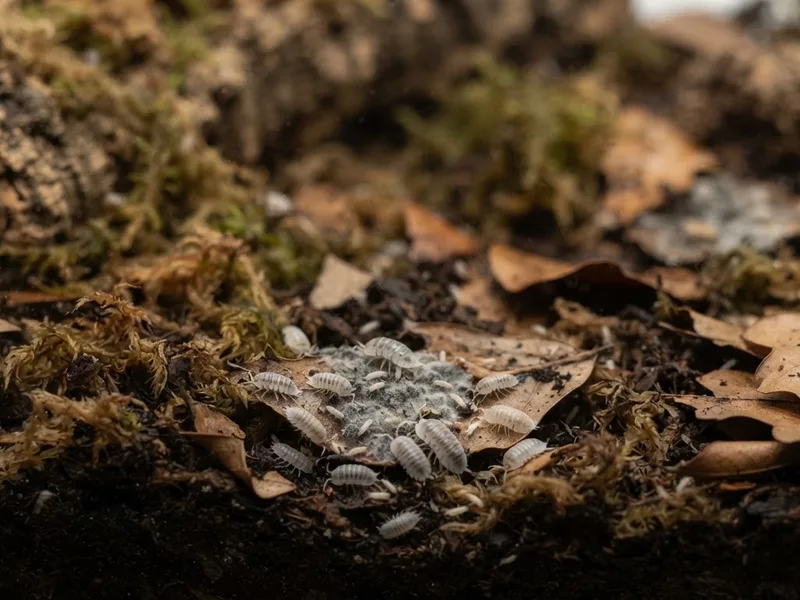
A springtail culture is a small cup of live springtails that you grow at home. Springtails are tiny arthropods in the group Collembola, and they need moisture, food scraps, and a surface to crawl over. Many keepers use them as a clean up crew in bioactive terrariums, because they help break down mold, dead roots, and leftover food.
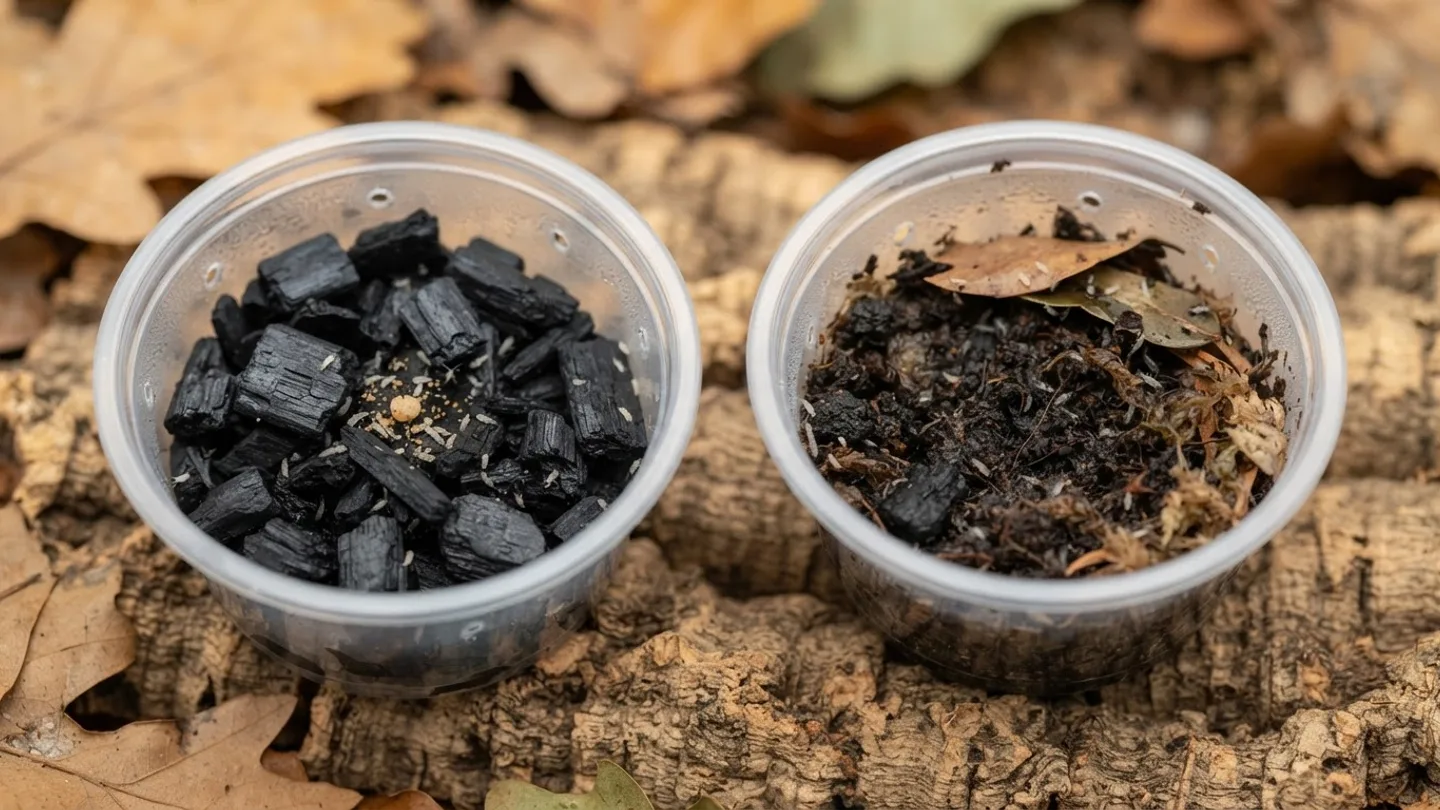
You can grow them in a simple plastic container. Charcoal and soil are the two easiest methods. Charcoal gives you a clean, visible setup that is easy to harvest from. Soil gives a softer home that holds moisture, but it punishes overfeeding faster.
Use these steps to start the culture, feed it sparingly, harvest without losing animals, and recover from the two common failures: drying out and mite contamination.
On this page: How to Culture Springtails: Charcoal and Soil Methods
Key takeaways
- A starter springtail culture fits in a plastic container about 6 to 8 inches tall and 4 to 6 inches wide.
- Charcoal gives easier visibility and a cleaner surface; soil holds moisture but hides food and mold.
- Feed lightly: 1 to 4 rice grains, or a tiny yeast pinch, once or twice a week.
- Harvest by tapping for quick transfers, or flooding for a heavy population.
- If mold or mites appear, stop feeding, replace the substrate, and move survivors to a clean cup.
What you need before you start
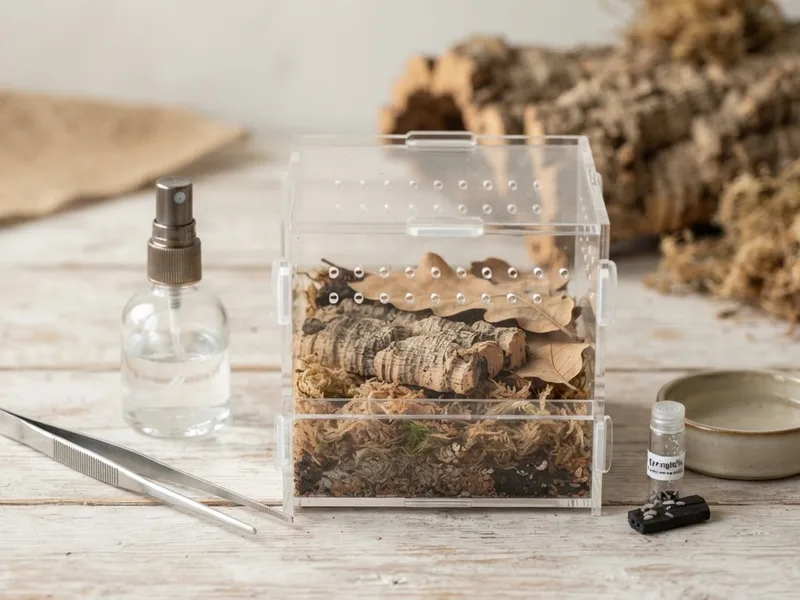
Choose a clear plastic container about 6 to 8 inches tall and 4 to 6 inches wide. A deli cup, food container, or small clamshell works. Keep a secure lid. Springtails are tiny, and they can leave through large gaps, so make air holes only with fine mesh or tape over the opening.
Pick one substrate style. For charcoal, use plain horticultural charcoal or activated charcoal. Do not use coal, barbecue briquettes, or charcoal with accelerant. For soil, use coco fiber, peat moss, or a plain soil blend without fertilizer, pesticides, or perfume. Do not dig soil from treated garden beds.
You need plain water, a spray bottle, a small plastic cap or dish, and a soft paintbrush or tweezers. A marker and tape help with dates.
For food, use rice grains, yeast flakes, or a small amount of yeast powder. The goal is a few flakes or grains, not a meal. A healthy cup smells like a damp cellar, not wet bread.
Start with live springtails from a reliable source. If you use wild springtails from your home, grow them in a separate container first and do not add them to an enclosure until you know they are clean.
| Factor | Charcoal method | Soil method |
|---|---|---|
| Moisture management | Charcoal is airy, so it is easier to keep from pooling. Check every few days. | Soil holds water, so it gives a longer buffer but can flood or turn sour faster. |
| Food visibility | Food sits on the surface, so you can remove leftovers quickly. | Food can settle into substrate and become mold before you notice it. |
| Harvest ease | Tap the cup, sweep from the lid, or float them off the top. | Flood the surface and pour off the floating layer, but drain before returning substrate. |
| Common failure | Drying out, or water sitting in the bottom for too long. | Overfeeding, soggy substrate, mold, and mites. |
| Best for | A first culture, visible control, and quick harvesting. | A humid room, a gentler home, and slower starter growth. |
Start the culture
Add substrate
For charcoal, put 1 to 2 inches of dry charcoal in the container. For soil, put 2 to 3 inches of moist coco fiber or peat moss. The soil should feel like a wrung sponge. If water pools at the bottom, drain it.
Set the moisture
Add water only until the surface is damp. For charcoal, place a small cap with plain water and a soaked cotton ball, wrung until damp. Mist lightly if the lid shows little condensation. Do not let free water cover the charcoal.
Introduce the springtails
Gently place the springtails you brought home on the surface. Cover and leave the cup at room temperature, around 65 to 75 degrees Fahrenheit, for 24 to 48 hours before feeding.
Feed a tiny amount
Place 1 or 2 rice grains, or a yeast pinch no larger than a pea, on the surface. For charcoal, set food on the charcoal. For soil, set it lightly on top, not buried. Remove leftovers after 2 days.
Label and wait
Write the start date. Check daily for movement on the lid and walls, but do not stir the substrate. If the cup looks dry and the springtails stay hidden, add a few mist pulses. If it looks foggy and water runs down, tilt and drain it.
Feeding and water
Springtails do best on light, regular feeding. Rice and yeast provide a slow, predictable meal, and they make it easy to see when you have given too much. In a starter cup, feed once a week. When the culture is dense, you can increase to twice a week, but never add a new feeding until the previous food is mostly gone.
Use 1 to 4 rice grains or a yeast pinch smaller than a pea. Start low. If you see mold spreading under food, pull the food with a brush and pause feeding for a few days.
For charcoal cultures, check moisture every 2 to 4 days. Charcoal is airy and can dry faster than soil. Aim for a damp feel, not a soaked feel. For soil cultures, check every 3 to 5 days. If the surface looks grayish or pulls away from the wall, mist lightly.
Temperature matters. Most springtail cultures do fine in normal room temperature, around 65 to 75 degrees Fahrenheit. Keep the cup out of direct sun and away from hot vents. A heat mat is usually unnecessary unless your room regularly drops below the cooler end of that range.
Keep the lid closed. If condensation disappears for a day, add mist. If droplets run down the walls and form puddles, vent for a few minutes or drain the substrate.
Harvest your springtails
Tap harvest for small transfers
Remove the lid and turn the container upside down over the target area, or hold it at an angle. Tap the side or rim lightly. Springtails often gather on the lid and glass, and they will fall to the surface. Sweep them with a soft brush into the enclosure.
Flood harvest for larger transfers
Pour plain water slowly over the substrate until it runs across the surface. Let the springtails float for a minute. Pour the floating top layer into a small mesh cup, a shallow glass, or directly into the target area. Let the substrate drain before returning it to the culture.
Move the survivors safely
For a new culture, use a clean spoon to scoop a little charcoal or soil with springtails into a fresh cup. For a bioactive setup, add only a thin moisture film with the springtails. Pour off standing water before dumping them, or the display can become a puddle.
Fixing crashes, mold, and mites
If your springtail culture crashes, stop feeding first. A crash often follows mold, because the culture has been too wet, too warm, or too rich. Remove any food, let the substrate dry slightly, and move live springtails to a fresh cup.
If you see tiny mites crawling fast in clusters, treat the cup as contaminated. Do not use it for an enclosure. Collect survivors by flooding or tapping into a clean cup, then discard the old substrate and clean the container. Mites usually follow overfeeding, damp debris, or starter soil that was not clean.
If you see white mold, scrape the moldy surface off. If mold is inside the substrate, dump the culture and start over with charcoal. Charcoal is easier to keep clean because food sits on top, and it does not break down like soil.
If the culture dries out, do not pour water over it. Place the charcoal or soil above a shallow humid cap, or mist the side of the container, so moisture moves back in slowly. Sudden flooding can drown springtails more often than light misting.
Keep the recovery cup at 65 to 75 degrees Fahrenheit and do not feed for 4 to 7 days. Watch for small crawls on the lid. Once movement is steady, resume one tiny rice grain or yeast pinch.
Common questions
Can I use garden soil for a springtail culture?
Use garden soil only if you can be certain it is free of fertilizer, pesticides, and animal waste. For beginners, coco fiber, peat moss, or charcoal are safer because they have fewer hidden contaminants.
Do springtails need sunlight?
No. Direct sun can heat the cup and dry the substrate. A dim indoor spot or low room light works. Many keepers store cultures on a shelf away from windows.
How do I know the culture is alive?
Look for tiny movement on the lid, walls, or floating after flooding. If no movement appears after a few days, check moisture and temperature. Sometimes they hide rather than dying.
Why are my springtails in the water?
Springtails use moisture and can float during a harvest, but they need a dry surface or charcoal to rest. If they sit in a pool, reduce water and add a humidity cap.
Can I feed springtails mold?
Mold is part of their natural cleanup diet, but you do not need to create it. Mold often comes from overfeeding or too much moisture. If you add mold, add only a tiny piece, and remove it if it spreads.
How often should I replace the substrate?
Only when it turns sour, molds heavily, floods, or contains mites. A clean charcoal culture can run for months. Soil cultures need replacement more often because the substrate breaks down.