Isopods and Springtails Together: Differences and Keeping Both
HIsopods and springtails are both small animals used as clean-up crews in bioactive setups. A bioactive setup is a living enclosure that relies on substrate, leaf litter, fungi and invertebrates to process waste and reduce mold.
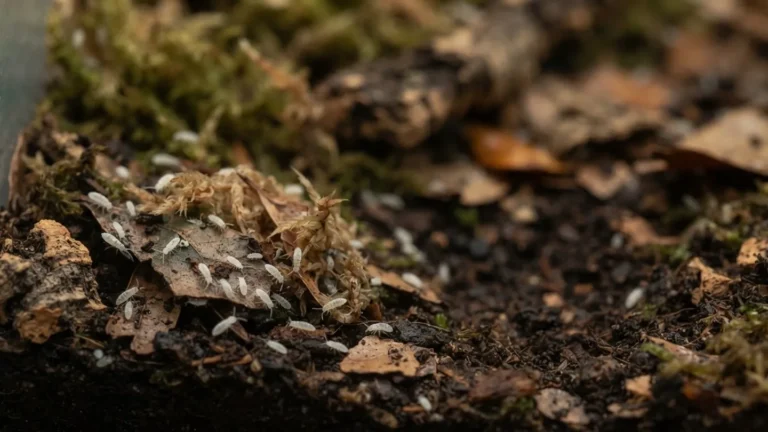
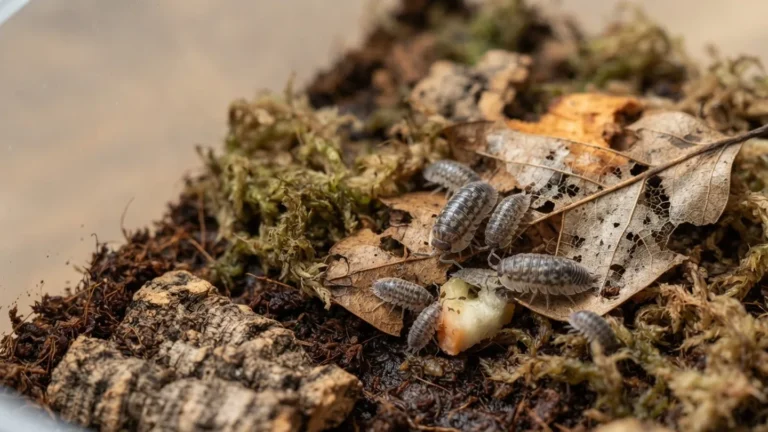
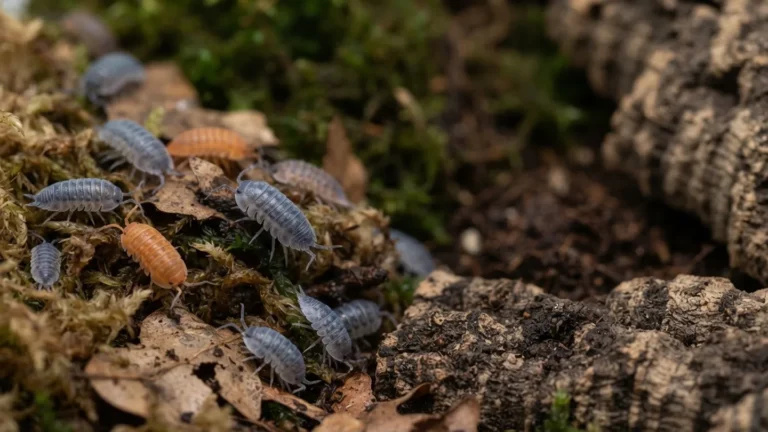
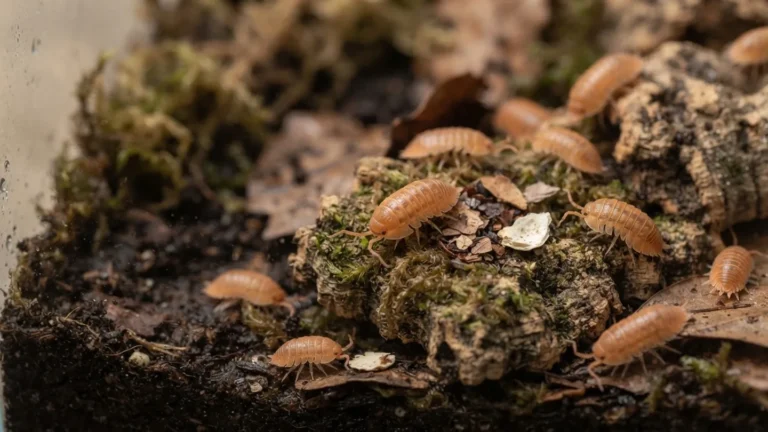
They often work in the same box, but they do not do the same job. Springtails are tiny grazers that help manage mold and surface film. Isopods are larger detritivores, which are animals that eat dead plant and organic matter. That difference matters when you decide whether to keep isopods and springtails together.
What to know before adding both
- Springtails mainly graze mold, fungi, yeast and surface film, while isopods mainly process leaf litter and solid debris.
- You can keep them together in a larger bioactive terrarium, but you usually do not need both.
- In a dedicated springtail culture, isopods can reduce springtail numbers, especially by eating eggs or tiny springtails.
- In a dedicated isopod culture, springtails are often harmless but rarely necessary.
- Use enough container space, add springtails first, feed lightly and watch for one cleanup crew disappearing.
How isopods and springtails differ
Springtails are usually about 1/32 to 1/12 in. Common pet isopods are usually 1/8 to 1/2 in, with larger species reaching roughly 3/4 in. Size alone explains why they behave differently in a terrarium. Springtails are quick and can move through tiny surface spaces, while isopods move slower and work on larger material.
Springtails eat mold, fungi, yeast, algae and soft organic film. Isopods eat decaying plant matter, leaf litter, fungi, mold and leftover food. Some isopods also take protein, such as fish flake or small bits of invertebrate food, but their core role is still to break down solid debris.
Moisture works the same way for both, but the balance differs. Springtails need surface moisture and humid air. If a culture dries out, springtails usually show it first. Isopods need a damp substrate and hiding places that are not soaked, because they also need air spaces in the substrate.
For most keepers, the useful difference is the type of mess. If the problem is fuzzy mold on bark or a thin biofilm on a dish, springtails help. If the problem is leaf litter breaking down into soil, or crumbly waste that needs shredding, isopods help.
| Feature | Isopods | Springtails |
|---|---|---|
| Typical size | 1/8 to 1/2 in; some pet species around 3/4 in | 1/32 to 1/12 in |
| Main diet | leaf litter, dead plant matter, fungi, mold, leftover food | mold, fungi, yeast, algae, biofilm, soft decaying matter |
| Moisture need | damp substrate plus hiding spots that are not soaked | surface moisture and humid air; needs a moist zone |
| Tank role | shreds and processes solid debris | grazes microscopic mess and surface mold |
| Movement | crawls; can be slow and visible | jumps and scatters quickly |
| Culture behavior | often slower to build, but easy to observe | often fast to multiply when moisture and food are available |
| Risk when mixed | larger isopods may eat springtail eggs or small springtails | rarely harms isopods, but can be crowded out |
Can you keep isopods and springtails together?
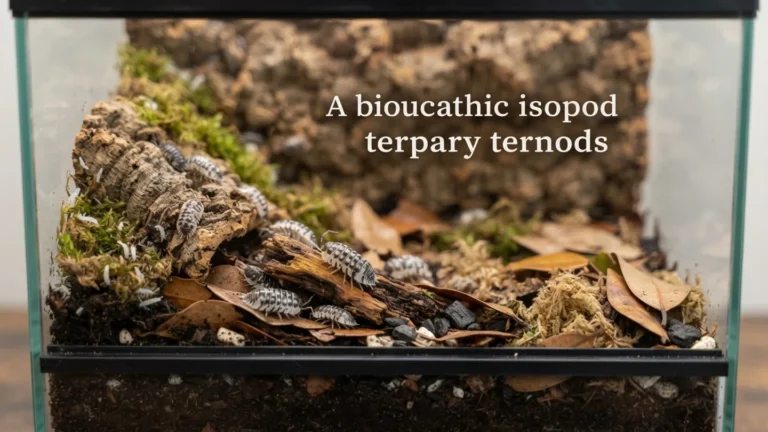
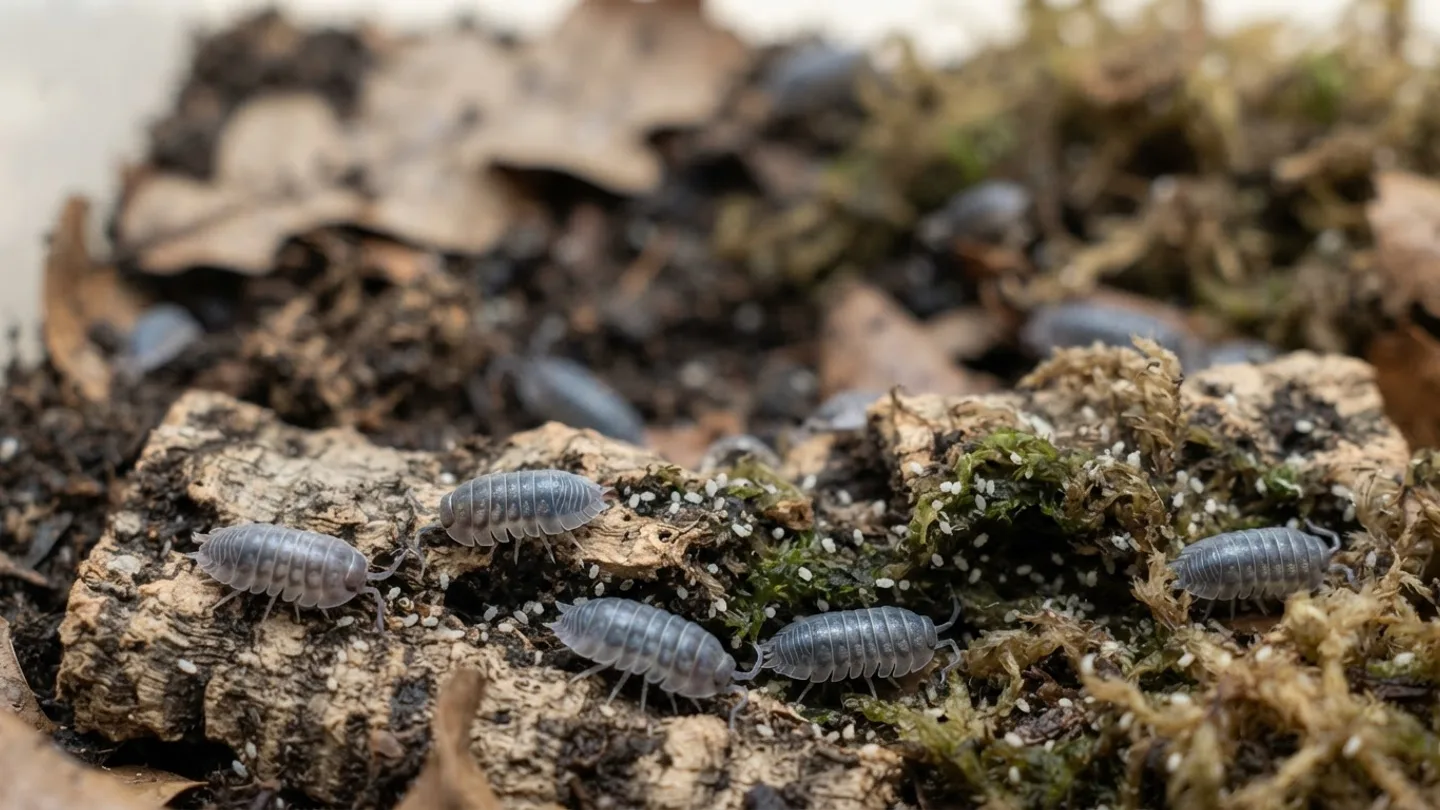
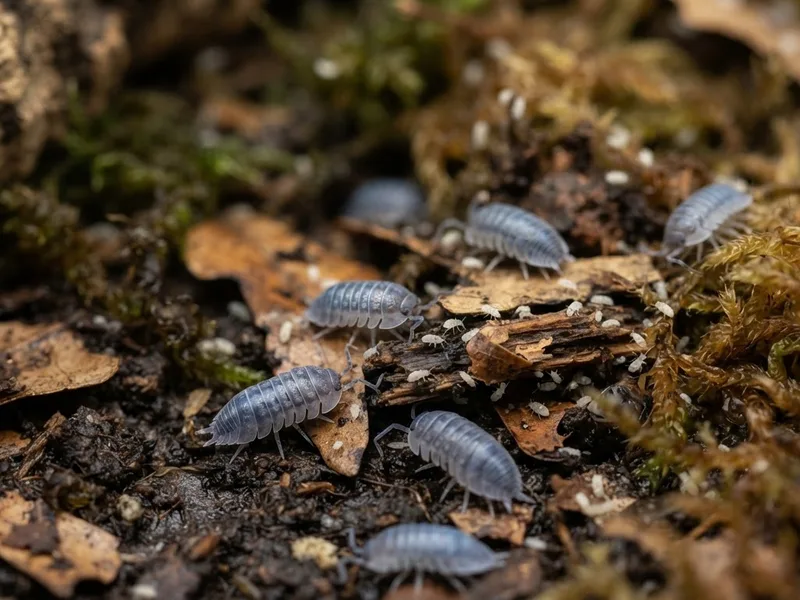
Yes, and many bioactive reptile or amphibian vivariums run mixed clean-up crews successfully. The key is space. A terrarium with different moisture zones, bark crevices, leaf litter and enough surface area gives each animal somewhere to avoid the other. That reduces predation risk and lets both do their jobs.
In a small culture box, the answer is more careful. A springtail culture and an isopod culture have different stability. If you add isopods to a springtail culture, the isopods may eventually reduce the springtail numbers. If you add springtails to an isopod culture, the springtails may be harmless for a while, but they add another variable to a setup that is already being managed for isopods.
For a first bioactive build, choose the animal that matches your main cleanup problem. If you mostly need mold control, start with springtails. If you mostly need leaf litter broken down, start with isopods. Add both later only if the enclosure is large enough to keep the mix stable.
Pros
- Springtails and isopods can cover different cleanup problems, such as mold on bark and leaf litter in the substrate.
- A mixed crew can make a larger bioactive setup feel more resilient.
- Springtails may appear quickly after a feeding spike, which can help reduce surface mold while isopods work on solid debris.
- Isopods are easier for many keepers to observe because they are larger.
Cons
- In small cultures, isopods can eat springtail eggs or tiny springtails.
- The cleanup job becomes harder to diagnose because you are watching two animals with different needs.
- A dedicated springtail culture may become less predictable once isopods are added.
- Overfeeding can favor one species and suppress the other, especially in warm, wet containers.
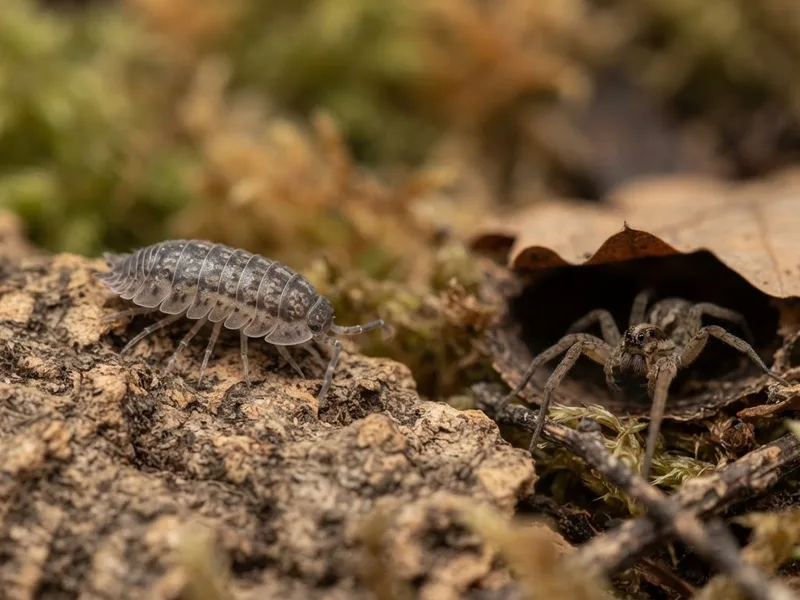
Competition and predation risks
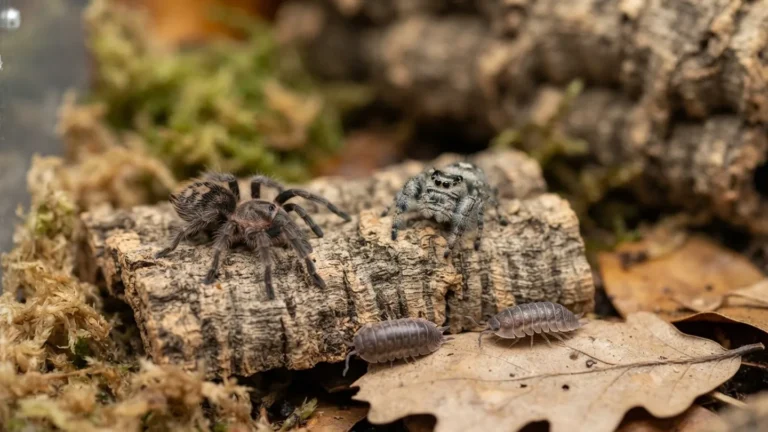
Most common pet isopods are not predators by nature. They are detritivores, meaning they eat dead plant and organic matter. But a mixed container is not a clean split between grazers and shredders. When springtails are small, eggs are exposed, and both species are squeezed into limited space, some isopods will eat them or damage the springtail population.
The isopod types most likely to affect springtails are larger, hardy, generalist species. Common examples in pet cultures include Porcellio laevis, often sold as smooth isopod, and Armadillidium vulgare, a common pill bug type that many keepers call a roly poly. Some bulky clapping roly poly stocks also behave the same way when numbers are high. Smaller or more delicate isopod species are less likely to be the problem, but they may still compete for mold and food.
Competition is not only about eating. Springtails can use up soft surface mold before isopods get to it. Isopods can crowd springtails out of sheltered, moist places or create a messier substrate. In practice, the biggest risk is not that isopods will hunt like a spider, but that an overstocked culture will make the springtail population collapse.
How to set up a mixed culture or terrarium
Start with enough space
For a starter mixed culture, use a container at least 8 in long, 6 in wide and 4 in deep. For a bioactive terrarium, use a larger enclosure with distinct damp and drier zones. Small boxes force the animals into contact and make the cleanup job unpredictable.
Build a damp, not soaking, base
Use a loose substrate that holds moisture without turning into puddles. Add leaf litter, bark or wood for hiding, and a small water dish or misting spot. Keep the box at ordinary room temperature, about 65°F to 80°F, away from direct sun.
Add springtails first
Introduce springtails and wait 3 to 7 days. Feed a tiny amount of yeast or let natural mold appear from light feeding. This gives springtails time to establish before larger isopods enter the mix.
Add a modest isopod population
For an 8 by 6 by 4 in starter box, begin with 10 to 20 small to medium isopods, or fewer if they are a large species. Use a species you can identify, because morph names can hide very different care needs. If your goal is a pure isopod culture, keep springtails out until you understand your setup.
Feed lightly and separately
Offer small crumbs of oat flake, fish flake or vegetable scraps only a few times per week. Remove visible leftovers after 24 hours. Springtails need mold and biofilm, while isopods need solid debris and a little protein. Overfeeding is the easiest way to spoil a mixed box.
Monitor for one crew taking over
Check weekly. If springtails vanish, remove some isopods or split the culture. If mold persists, reduce feeding, improve ventilation and consider adding springtails after the isopod population is stable. If many isopods cluster at the surface or the substrate smells sour, fix waterlogging before adding another cleanup animal.
Common questions
Are isopods and springtails the same cleanup crew?
No. Both are clean-up crew animals, but springtails graze mold and surface film while isopods shred leaf litter and process solid debris.
Can isopods kill springtails?
Sometimes. Most pet isopods are not active hunters, but larger species can eat springtail eggs, young springtails or trapped adults in small or crowded cultures.
Do I need both in a bioactive terrarium?
No. Many setups work with only springtails, only isopods, or no cleanup crew if maintenance is manual. Both are most useful in larger bioactive enclosures with leaf litter and mold problems.
Which isopods are most likely to harm springtails?
Larger, hardy generalists are the usual concern, including Porcellio laevis and Armadillidium vulgare. Smaller or more delicate species may be safer, but mixed cultures are never risk free.
Can I keep springtails and isopods in the same culture box?
You can, but it is usually better in a terrarium than in a dedicated culture. If you want a clean springtail culture, keep isopods separate. If you want to manage an isopod culture predictably, keep springtails separate too.