What Do Isopods Eat? A Complete Isopod Diet
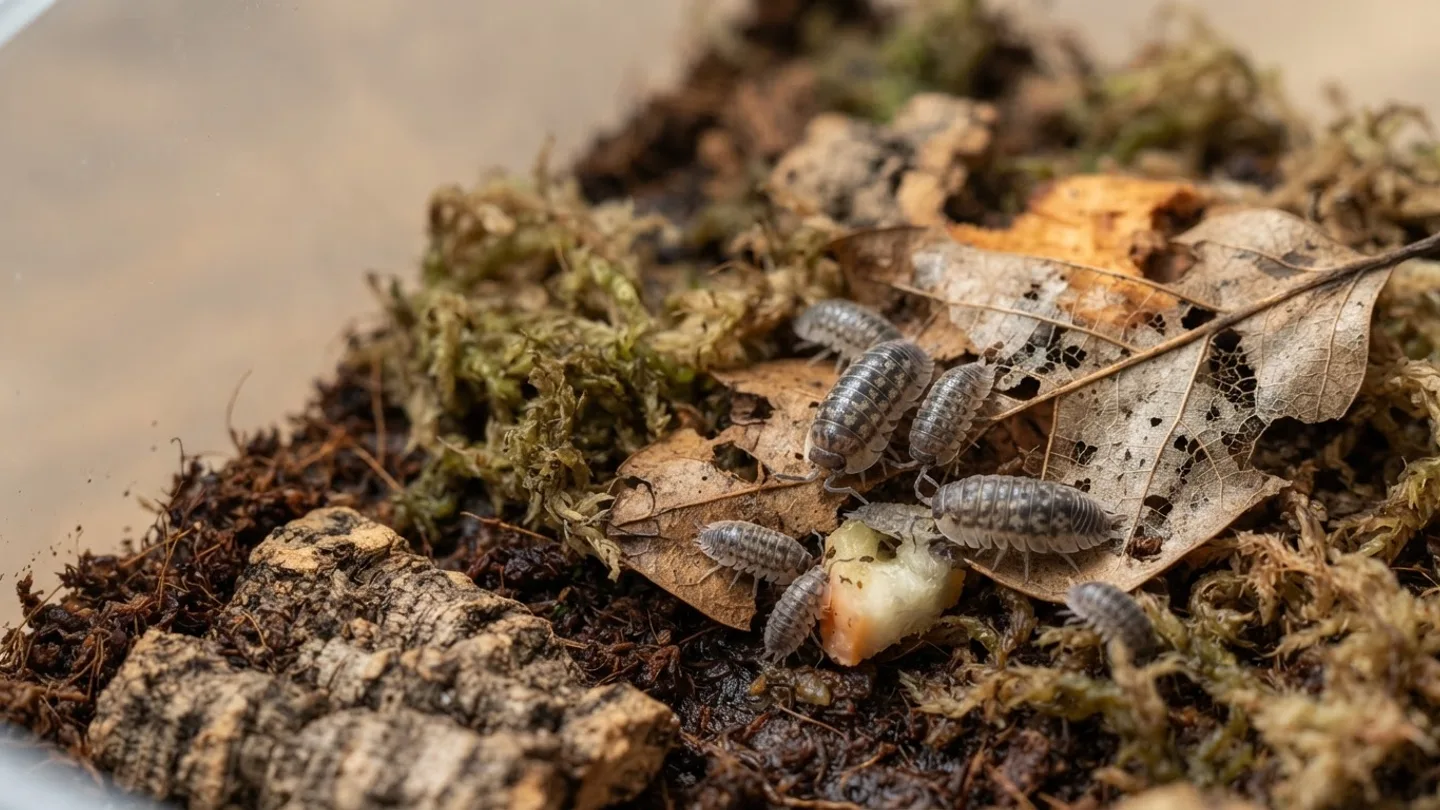
What do isopods eat? The short answer is leaf litter and decaying hardwood, then small amounts of vegetables, protein and calcium. If you just brought home a culture or added isopods to a bioactive enclosure, start with plenty of clean leaves and a piece of untreated hardwood. Then add only a small bit of food that they will finish in a day or two.
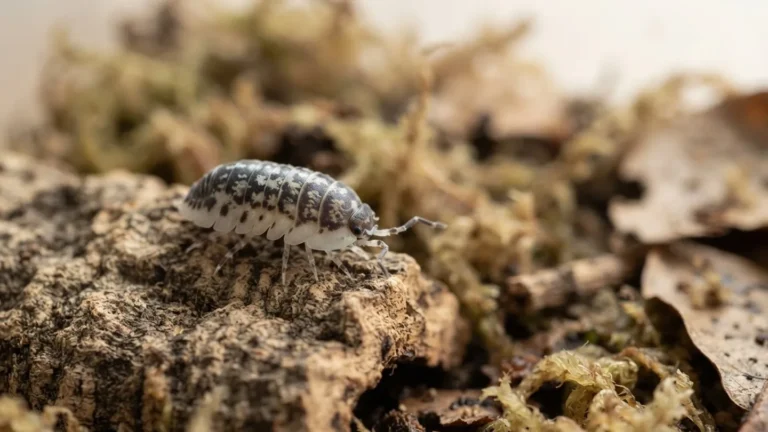
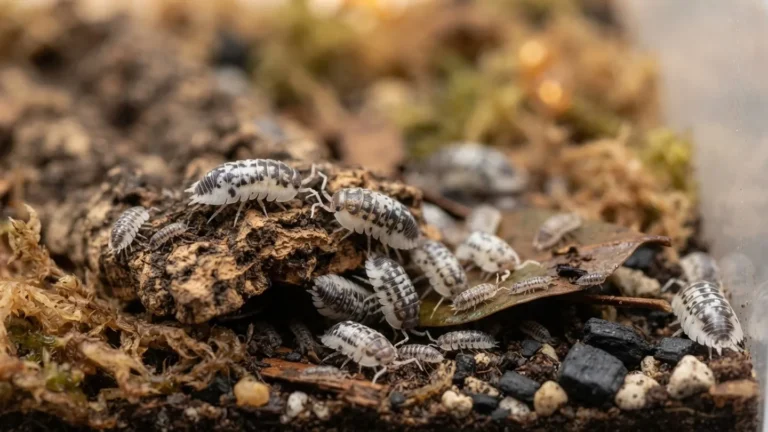
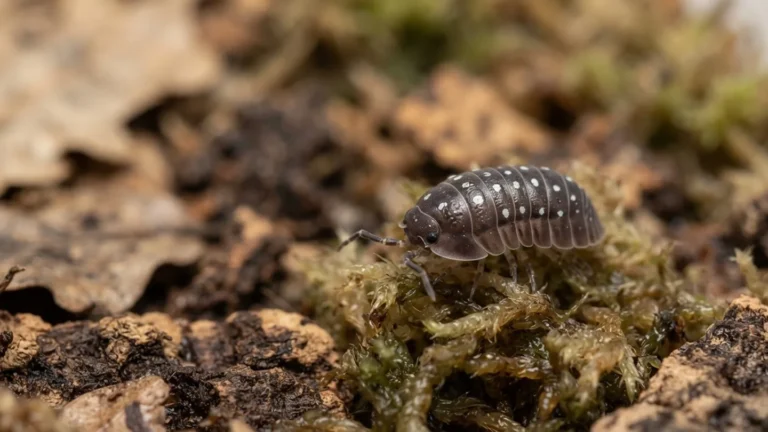
Isopods are decomposers. They graze fungal threads, microbes, algae, dead roots and animal waste. That is why they are often sold as part of a clean-up crew, the small animals added to a vivarium to break down leftovers. In a good setup, they can get a lot of nutrition from the environment itself.
Keep the diet conservative. The most common failure is not underfeeding. It is overfeeding soft food and inviting mold, smell, and pests. A leaf and wood base is simple enough to set up tonight, and the rest can be added slowly.
Isopod Diet in Brief
- Leaf litter and decaying hardwood are the main food, not an afterthought.
- Use vegetables as a supplement, in a pea to thumbnail piece, and remove them after 24 to 48 hours.
- Give protein rarely, such as one fish flake or a pinch of dried insect, not every day.
- Keep calcium available with cuttlebone, oyster shell, or boiled and crushed eggshell.
- Remove fuzzy or sour food before mold spreads into the substrate.
- Avoid treated wood, pesticide leaves, seasoned human food, bread, and large amounts of citrus, onion, or garlic.
Leaf Litter and Decaying Hardwood Are the Base
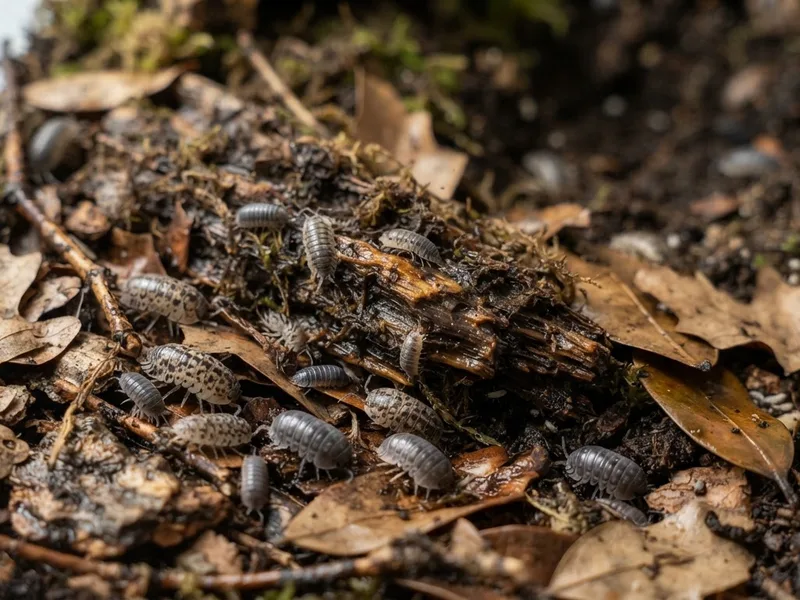
The best base is dead plant matter that has begun to age, not fresh green material. Oak, maple, sweetgum, alder, ash, birch, and beech leaves are dependable choices. Collect them from areas with no recent spray, remove obvious bird droppings, and let them dry lightly if they are wet. Avoid pine, cedar, and other resinous conifer material as a default.
Decaying hardwood gives structure and slow nutrition. Small pieces of untreated oak, maple, or alder can sit on the substrate for weeks. It gives dwarf isopods a place to graze microbial film and fungi, and it lets larger wood eaters burrow and feed on softer layers.
For a starter culture, cover the top of the substrate with a thin layer of leaves, about 1/4 to 1/2 inch deep when fluffed. For dwarf species, shred some leaves into pieces about 1/8 inch across, because they may not chew thick whole leaves.
In a bioactive vivarium, you can keep a smaller surface area of litter if springtails, substrate life, and waste are available, but do not remove all leaf material. A few clean leaves near hiding spots keeps the diet from becoming too thin.
| Role | Best Choices | Portion Guide | Replace or Refresh |
|---|---|---|---|
| Base food | Oak, maple, sweetgum, alder, ash, birch, beech leaves; untreated hardwood | 1/4 to 1/2 inch leaf layer; one 1 to 2 inch hardwood chunk for a small culture | Refresh litter when it collapses into sludge or smells sour |
| Vegetables | Sweet potato, carrot, squash, zucchini, collard greens, turnip greens, kale in rotation | Pea to thumbnail piece, or a 1/4 inch square | Remove after 24 to 48 hours |
| Protein | Fish flake, bloodworm, dried shrimp, mealworm piece, dead feeder insects | One small flake or pinch for a small culture | Once every 2 to 4 weeks, not daily |
| Calcium | Cuttlebone, oyster shell, boiled and crushed eggshell | 1/2 inch piece or a small dusting of crushed shell | Leave available, replace if dirty or fully eaten |
Portion Sizes and Feeding Frequency
Portion size matters more than variety. A culture that is still grazing litter may need almost no added food. A small starter tub may need only a 1/4 inch piece of vegetable every 2 to 4 days. If the isopods are not touching it, wait longer and shrink the piece.
At a normal indoor range, around 65 to 80 °F, small cultures usually respond within 24 to 48 hours. If your room is cooler or the colony looks quiet, feed less often. Activity tells you more than a fixed schedule.
For protein, start with one small flake of fish food, a pinch of crushed dried shrimp, or a 1/2 inch piece of mealworm. Feed it once or twice a month in a small culture. I keep protein sparse because protein is one of the fastest ways to make substrate sour.
Calcium is not optional if you want steady growth. Isopods need mineral material for molting, which is the process of shedding an old exoskeleton. A piece of cuttlebone or oyster shell can sit in the enclosure permanently. If it gets slimy, rinse it, let it dry, and put it back, or swap it out.
A simple routine is this: check leaf litter every 24 hours, remove any uneaten vegetable the next day, replace dirty calcium monthly, and add protein only once every 2 to 4 weeks. Observe for 3 or 4 days before changing anything.
Stop Mold Before It Reaches the Substrate
Check the food after 24 hours
See whether the piece is being grazed or merely sitting wet.
Remove fuzzy or sour food
If you see white, green, or black fuzzy growth, or a sour smell, take the food out with tweezers or a small scoop.
Clear any contamination before it spreads
If mold is only on a hard vegetable surface, remove it and clean the spot. If it has spread into leaf litter or soil, take out the affected leaves and scrape away the top layer.
Replace with fresh leaf or wood
Add clean leaf litter or a small piece of untreated hardwood. Springtails, tiny six-legged animals that eat mold, can help with light mold, but they cannot fix a sour, overfed tub.
Pause for 2 to 3 days
If the surface still smells clean and the isopods are active, resume with a smaller piece of food.
Unsafe Foods and Products
The most avoidable problem is untreated materials. Do not use wood from landscaping sprays, varnished branches, pressure treated lumber, painted furniture, or pallet wood unless you know it is untreated. Pressure treated wood can contain preservatives that are not meant for a living enclosure.
Human kitchen scraps are unreliable. Do not feed seasoned leftovers, butter, oil, salted snacks, or bread. Bread and pastry turn to paste, mold, and flies before they become nutrition. Plain, small, unprocessed items are safer.
Some plant material is poor or risky in volume. Citrus can make cultures smell and may discourage feeding, so I avoid orange, lemon, and grapefruit as staples. Onion and garlic are not worth the trouble. Spinach and beet greens can be part of a rotation, but keep them occasional rather than the whole menu.
For a small, plain list that covers most needs, choose untreated oak or maple leaves, a piece of hardwood, sweet potato or squash, a few leafy greens, a calcium piece, and very occasional fish flake or dried shrimp. That is a complete diet in practice, not a gourmet menu.
Isopod Diet Questions Keepers Ask
Can isopods eat fruit?
They can nibble apple, banana, or melon, but I would not call fruit a staple. Fruit sugars encourage mold and sour smells. If you use fruit, give a tiny piece only once in a while and remove it after 24 hours.
What do isopods eat in a bioactive tank?
They graze leaf litter, decaying wood, fungal growth, algae, dead roots, and waste. That is how they serve as a clean-up crew. Supplement with the same leaf and wood base, plus small vegetables and calcium.
Do isopods need a water dish?
Usually not. They get moisture from damp substrate and fresh vegetation. A dish can be a drowning risk for dwarf isopods. If you add water, use a shallow lid with pebbles, and keep the substrate moist, not soaked.
How do I know if food is gone?
Look at the edges. If the food is chewed or rough, they ate it. If it is unchanged and wet, remove it. If the culture is dense, it may eat faster than expected, but do not add more just because you want visible results.
Is prepared isopod food necessary?
No. Many products are convenient, but a culture of isopods can thrive on untreated leaves, hardwood, calcium, and a few plain vegetables. Prepared feed can help with protein or calcium, but it is easier to overuse it than to make a good diet worse.