Tan Jumping Spider (Platycryptus undatus) Care Sheet
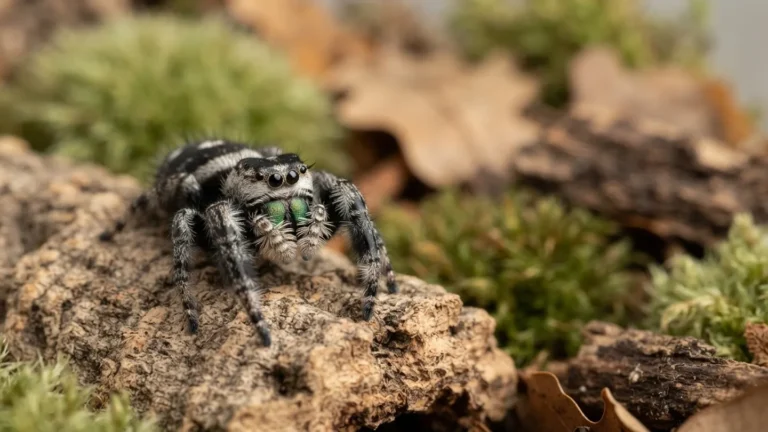
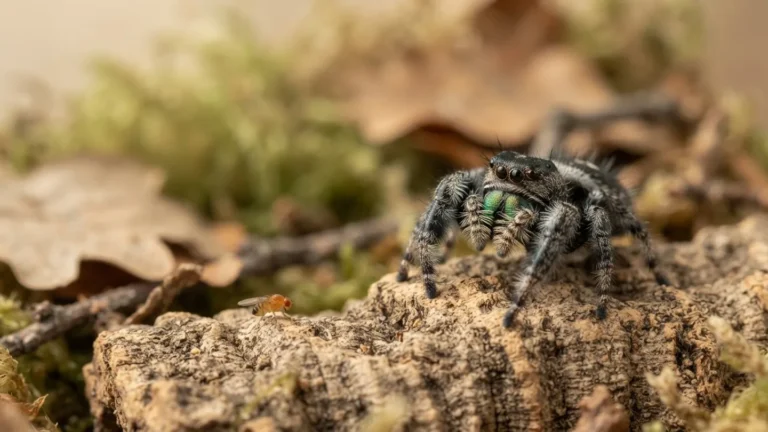
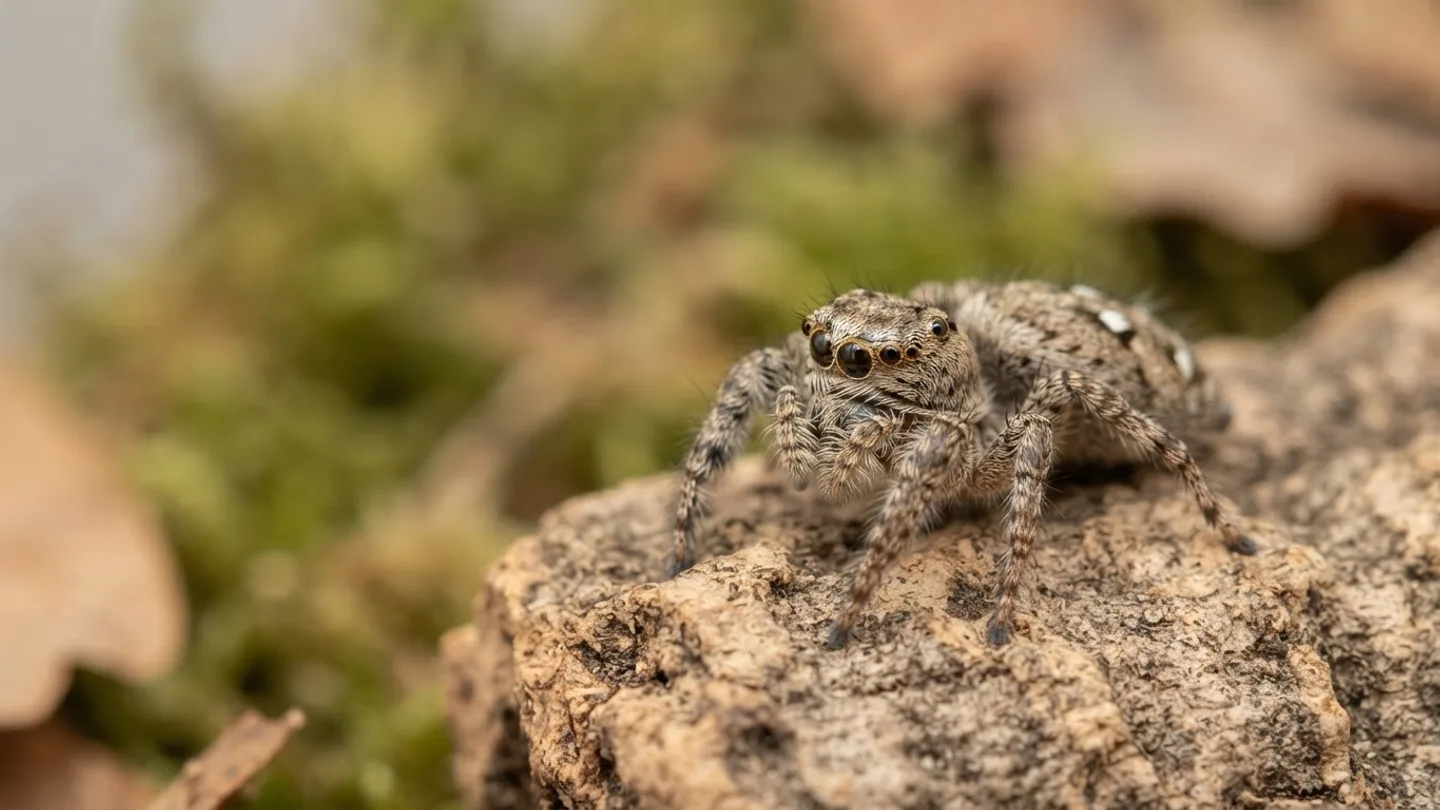
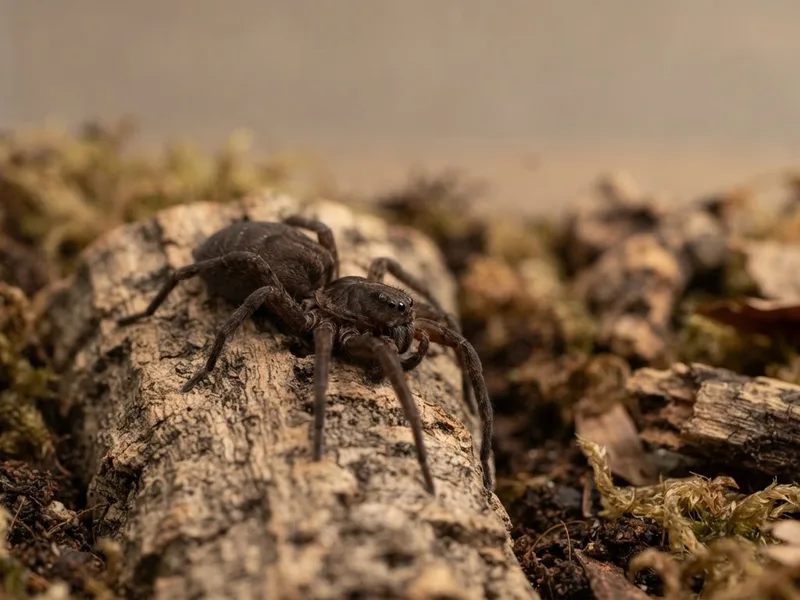
The tan jumping spider, Platycryptus undatus, is a flat, fast little spider that lives on bark in much of the United States. It looks calm when it stops, but it can run and climb vertical surfaces well. This care sheet covers what it needs for a setup you can build tonight.
It is not the easiest jumping spider for a first keeper. The species is small, quick, and easy to miss during a daily check. If you want the most forgiving display jumper, many keepers start with Phidippus species instead.
That said, tan jumping spiders are worth keeping if you can provide bark, vertical space, and live prey. They are not social, do not want handling, and do best as display pets with a careful feeding routine.
At a glance
- Species: Platycryptus undatus, formerly Salticus undatus.
- Beginner rating: 3 out of 5. Moderate, not the easiest first jumping spider.
- Adult body length: roughly 1/4 to 1/2 inch.
- Adult leg span: roughly 1 to 2 inches.
- Enclosure minimum for an adult: 6 to 8 inch width, 6 to 8 inch depth, 10 to 12 inch height.
- Temperature: 70 to 78°F. A heat mat is usually unnecessary in most US rooms.
- Feeding: live fruit flies or pinhead crickets every 2 to 3 days. Remove uneaten prey after 12 to 24 hours.
- Lifespan: not well documented. Plan for about 1 year as a basic expectation, with 1 to 2 years possible. Females usually outlive mature males.
Why the flat body changes the setup
Platycryptus undatus is a bark spider. It is built to flatten itself into cracks, not to climb glossy leaves or sit in open corners all day. That single shape tells you the design rule: vertical bark matters more than floor space.
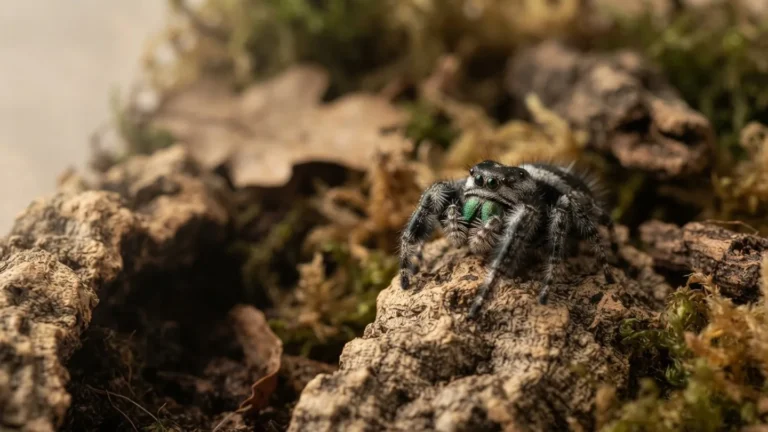
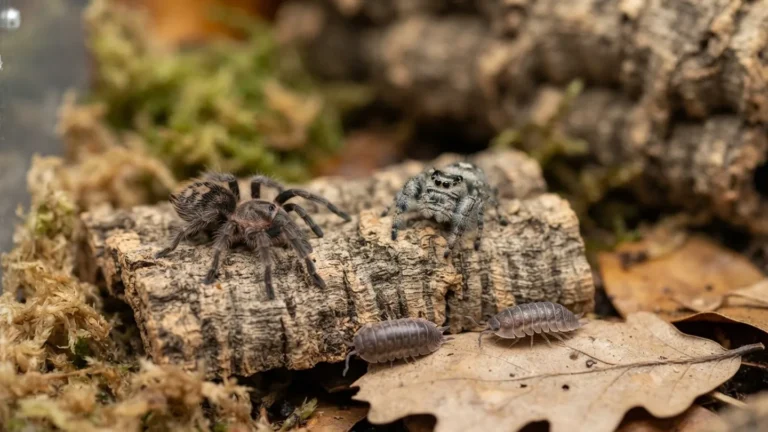
The legs are long enough to run and jump across surfaces, but the body is low and streamlined. In the wild, it can hide in bark crevices, wait for prey to cross near a crack, then move fast. A cork tube, cork bark slab, or clean untreated bark gives it something that looks right.
If you keep it in a wide, low container with only soft substrate, the spider may be active but hard to find. If you give it bark and vertical hiding, it is more likely to use the front of the display and settle in view.
| Care point | Platycryptus undatus | Phidippus species |
|---|---|---|
| Body shape | Flat and bark-adapted, roughly 1/4 to 1/2 inch long. | More upright and robust, often easier to see in a display. |
| Preferred surfaces | Vertical bark, cork tubes, crevices. | Branches, leaves, open floor, and hides. |
| Enclosure emphasis | Height and vertical bark matter more than wide floor space. | More horizontal room helps, especially for bolder species. |
| Temperament | Fast, easily missed, and more prone to escaping through gaps. | Often more outgoing and easier to observe during feeding. |
| Feeding size | Small live flies and pinhead crickets work best. | Can often take larger crickets, mealworms, and flies. |
| Beginner fit | Moderate. Needs careful setup and frequent small checks. | Often easier. A better first display jumper for many keepers. |
Build the Tan Jumping Spider Enclosure Tonight
Choose the right enclosure size
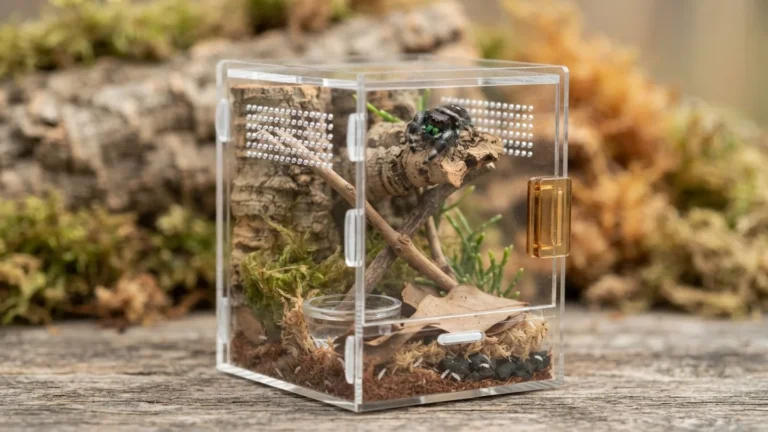
For an adult with a roughly 1 to 2 inch leg span, use a vertical container at least 6 inches wide by 6 inches deep by 10 inches tall. For a sling, meaning a small preadult spider, use a 3 to 4 inch deli cup or vial with fine mesh. Slings can escape through gaps that look safe to us.
Add vertical bark first
Use a cork bark tube, cork slab, or clean untreated bark that reaches from the substrate to the top. Leave a small gap at the front so you can see into the hide without disturbing the spider.
Set a thin floor
Use paper towel, coco coir, or a plain peat-free substrate. Keep it thin. Tan jumping spiders are not burrowers, and a deep wet layer can hide them and encourage mold.
Control moisture carefully
Mist one side of the bark 2 to 3 times per week. Keep the opposite side dry. If the substrate stays soaked, reduce misting and add more ventilation.
Keep the temperature conservative
Aim for 70 to 78°F. Most homes can keep it near a heat-free shelf. A heat mat is usually unnecessary and can dry out the bark on one side or push the enclosure too warm.
Offer live prey at the right size
Offer 1 to 3 fruit flies for slings or 1 to 3 pinhead crickets or small flies for adults every 2 to 3 days. Remove uneaten prey after 12 to 24 hours so it cannot bother a hiding spider.
Feeding, Molting, Lifespan, and Safety
Tan jumping spiders eat live prey, not dried pellets. Use flightless fruit flies, pinhead crickets, or very small mealworm pieces. The prey should be smaller than the spider. If prey looks close to the spider's body length, it is too large. For slings, the young preadult spiders, fruit flies are often the easiest starting size.
Feed on a schedule, not by dumping prey into the container. Every 2 to 3 days, drop in 1 to 3 appropriate prey items. Watch for about 10 minutes. If the spider hunts, it may take a bite quickly. If it ignores the prey, remove it and try again at the next feeding.
During a normal week, check that the abdomen looks modestly filled, not collapsed and not bloated. If the spider refuses several feedings in a row, stop offering live prey, check temperature and moisture, and look for premolt. A spider preparing to molt is in premolt.
When premolt starts, stop live feeding. An active cricket or fly can bother the spider before the new skin is hard. Leave damp bark for moisture, but do not handle it. After the molt, wait until the spider is moving normally and its eyes look active. Many keepers offer small prey after 5 to 7 days. If it refuses, wait a few more days.
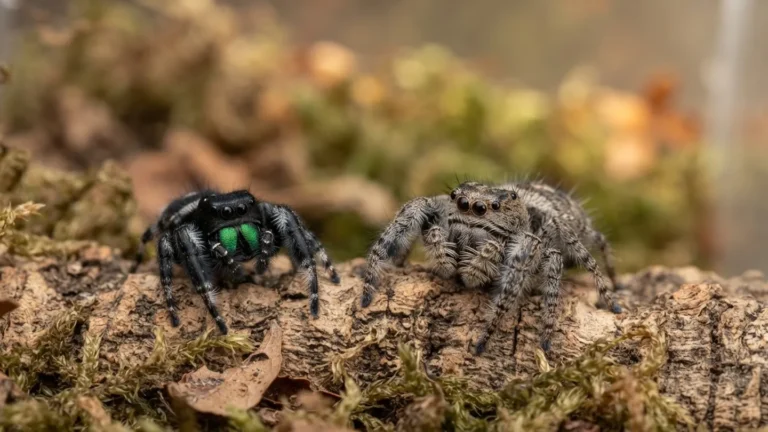
Lifespan for Platycryptus undatus is not well documented in hobby care records. Plan for about one year as a safe first expectation, with one to two years possible for a healthy spider under good care. Mature males often die sooner than females, especially after mating, and females that are not bred may live longer. You can usually tell mature males by small, round, prominent palps near the mouth. Do not change care based on sex. Both need the same temperature, feeding size, and calm environment.
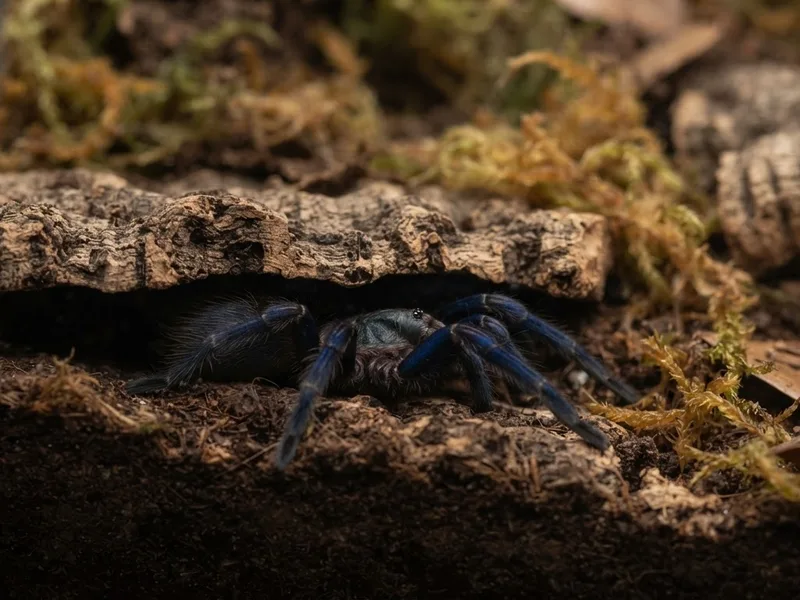
Handling is not part of keeping this species well. Tan jumping spiders are small, fast, and can be injured if dropped. If you need to move one, use a clear cup or soft brush to guide it into a temporary container. Do not squeeze or chase it around the room. Bites are rare. If one bites, the common experience is a small pinch with mild local irritation, but reactions vary. Wash the area and watch it. If you have trouble breathing, spreading swelling, dizziness, or a known allergy to insect venom, seek medical advice. Unlike many New World tarantulas, jumping spiders do not kick urticating hairs, the barbed belly hairs some tarantulas flick into irritant contact.
Frequently asked questions
Is the tan jumping spider a good first jumping spider?
Only if you want a moderate challenge. It is small, fast, and easy to miss. Phidippus species are often easier for first-time keepers because they are usually larger, more visible, and less demanding in feeding size.
Does Platycryptus undatus need a heat mat?
No, not in most US rooms. Keep it in the 70 to 78°F range. A heat mat can dry out bark and push the enclosure past a safe range.
Can I keep two tan jumping spiders together?
Do not house them together as a normal setup. They are solitary, and cannibalism can happen quickly. A shared enclosure is risky unless you are an experienced keeper with large, secure space.
How do I know it is hydrated?
Use damp bark on one side and a shallow cap no deeper than 1/8 inch if you can. Do not rely on standing water. The spider should have a plump abdomen and active hunting behavior.
Why did it stop eating for a week?
It may be in premolt. Stop feeding live prey, keep the bark damp, and wait. Do not disturb it unless live prey is causing stress or there are signs of mold.
Should I use a bioactive substrate?
Not for a small container. Bioactive, a closed system with clean-up crew organisms, can look nice in a larger display, but it adds maintenance and can hide a small spider. Simple paper or thin coir with cork bark is easier.