Why Are My Isopods Dying? Common Causes and Fixes
Isopods are easy to keep, but they are not aquarium gravel. A few dry days, one bad leaf batch, or a missed calcium source can turn a healthy culture into a thinning one.
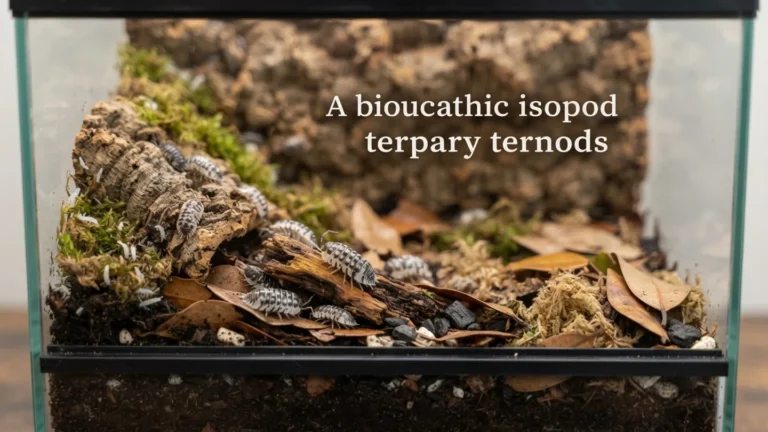
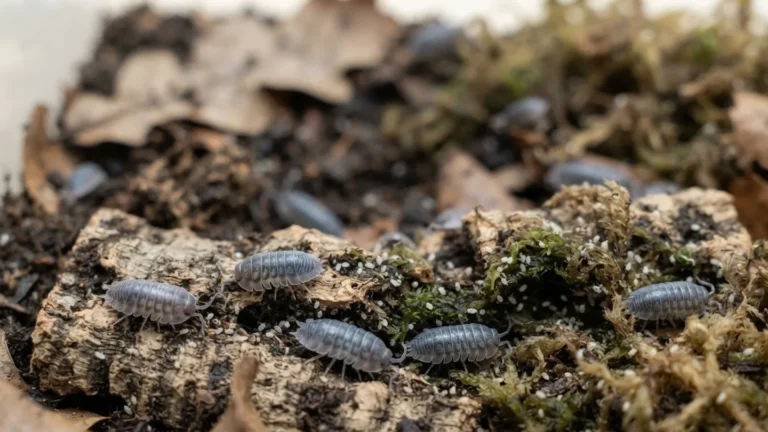
In a bioactive enclosure, they are usually part of a clean-up crew, the mix of isopods and springtails added to help break down waste in living substrate. In a rescue setup, you can strip the problem down to a small tub with moisture, airflow, calcium, and safe food.
Start by checking the obvious causes tonight, then separate normal adult losses from a real crash before you buy a replacement culture.
Quick answer
- Drying out is a common killer, but waterlogged substrate and sealed air can be just as dangerous.
- Stagnant air, mold, missing calcium, or missing protein can cause failed molts and slow population loss.
- Toxic materials, including soap residue, pesticides, essential oils, and copper or zinc, can kill quickly.
- Normal adult losses may show a few dead adults or empty molt cases over time, while a crash shows sudden numbers dropping, sour smells, or many deaths after a change.
- Rescue by moving survivors to a clean tub with a dry side, a moist side, ventilation, cuttlebone or crushed eggshell, and simple food.
| What you see | More likely normal | More likely crash |
|---|---|---|
| A few empty shells or dead adults | Old adults reaching the normal end of life, especially after a busy breeding cycle | No shells, no new young, and many dead animals in the same spot within days |
| Population looks thin after moving the culture | Animals are hiding in moist corners or avoiding dry stress | Numbers keep falling, substrate smells sour, or mold becomes thick |
| Some isopods clustered under the lid | Normal when the moisture gradient is uneven, they are seeking humidity | Many are stuck in droplets, unable to move, and the lid is sealed |
| One large dead isopod after weeks of normal activity | Normal lifespan variation | If several die at once after a new food, leaf, or substrate batch, suspect contamination |
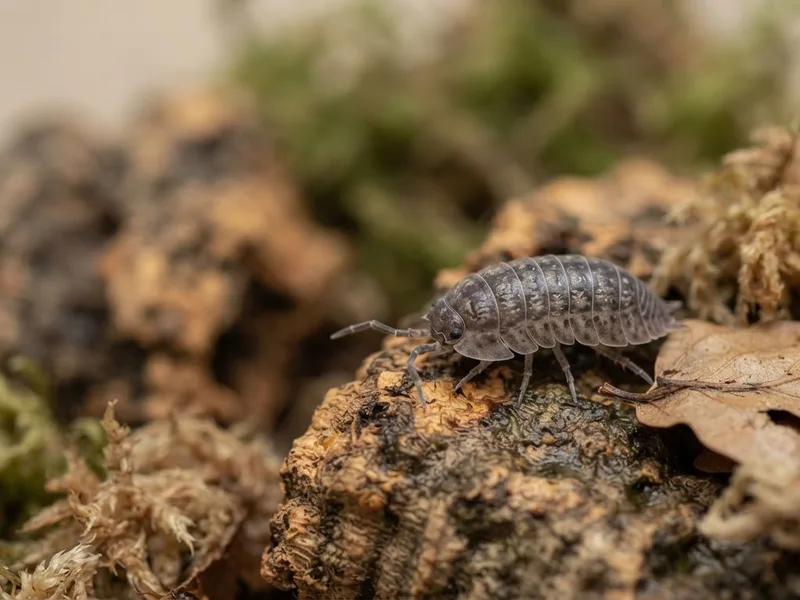
Rescue the culture tonight
Build a clean rescue tub
Use a plastic tub at least 10 inches long and 4 inches deep. Add 1 to 2 inches of pesticide free coconut fiber or simple soil, then leaf litter and a shallow lid of water.
Set the moisture gradient
Keep one half of the substrate damp like a squeezed out sponge. Let the other half dry slightly. Remove standing water and large water droplets on the lid.
Add airflow
Loosen the lid or add a small mesh patch. If mold or a sour smell appears, increase ventilation before adding more food or water.
Offer calcium and protein
Put a small piece of cuttlebone, crushed plain eggshell, or oyster shell on the substrate. Feed a pinch of plain oatmeal, dried leaf litter, squash, carrot, or fish flake once or twice a week.
Control temperature
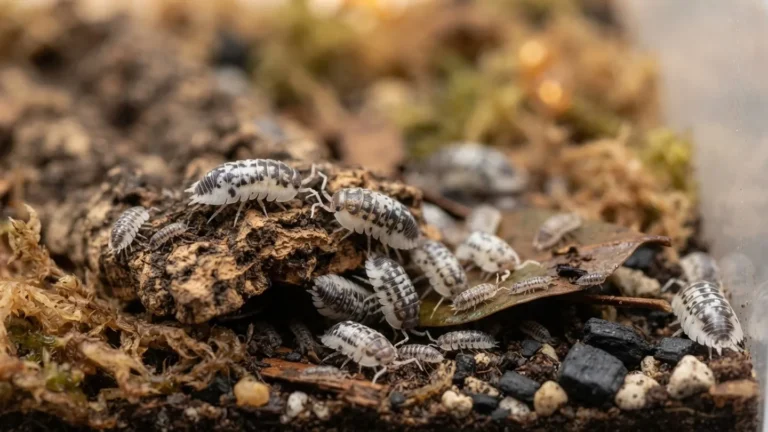
For common dwarf white and rubber ducky type cultures, hold 60 to 75°F. Tropical species may do better at 68 to 78°F. A heat mat is often unnecessary and can dry the tub.
Wait before judging
Keep the tub stable for 7 to 10 days. Do not dump in chemicals, springtails, or new substrate during the first week. If losses stop and molt cases remain, most survivors are recovering.
The causes most often behind dead isopods
Drying out is one of the fastest ways to thin an isopod culture, especially in a small tub under warm dry room air.
Isopods need moist air and moist substrate to stay active, so a substrate that feels damp only on top can still be too dry below. Keep the substrate moist through the feeding zone, not just sprinkled, and give a water source they can reach without swimming.
Too much water is the other common mistake. When the substrate becomes flooded or compacted, oxygen drops and mold takes over. Isopods can become trapped in surface film or drown in deep water dishes. A full water dish should be shallow enough that they can climb out, and the substrate should never sit in standing liquid.
Stagnant air creates the same crisis from the top down.
If a tub is sealed, humidity builds into condensation, then mold, then a sour smell that stresses the culture. In bioactive builds, poor airflow also prevents the substrate from drying between waterings. Open cross ventilation, a mesh lid insert, or a slightly loose lid is often enough to fix it without a fan.
Calcium and protein gaps look slower, but they are easy to miss.
Isopods grow by molting, or shedding their exoskeleton. When they lack calcium, the new shell can be soft or malformed. When food is only rotting leaves with no protein or variety, reproduction drops and adults can fail to finish molts. A simple pinch of fish flake, boiled egg, or unsalted dried shrimp once or twice a week can help, as long as it is removed before it molds.
Toxic materials can kill within days, and they are often introduced through something that looks safe.
Garden soil, road leaves, treated wood, essential oil cleaners, pesticides, insecticides, and even strongly scented paper can contaminate a small culture. Copper and zinc residues can also be risky in an enclosure the animals touch all day. If deaths started after a new plant, leaf, soil, cleaner, or feeder tub, treat contamination as the leading suspect.
Temperature swings matter less than stability for most starter isopods.
For common dwarf white and rubber ducky type cultures, 60 to 75°F is a conservative holding range. Many tropical species prefer 68 to 78°F. Direct sun, heat mats, or a window sill in winter can push one end of that range fast. The safe habit is to keep the tub on a level shelf in a normal room, not on a radiator or under a lamp.
Finally, not every loss is a culture crash. Adult isopods do not live forever, and a tub that once felt teeming can settle into a smaller breeding population. If you see one dead adult, one molt case, and no sudden change after a new food or container, wait and tune the setup before you panic.
Common questions about dying isopods
Should I throw away the whole culture if a few isopods die?
No. If losses are slow, smell is normal, and the tub has moisture, airflow, and calcium, keep it and adjust one thing at a time. Transfer survivors only if you see mold, sourness, flooding, sealed heat, or deaths tied to a new product.
Can I rescue isopods in plain potting soil?
Plain, pesticide free coco coir or a simple soil mix can work, but fertilized potting soil, perlite heavy mixes, and wood chips with unknown treatments are risky. Use a rescue tub with leaf litter, calcium, and shallow water instead of a fancy bioactive build until the culture recovers.
Do I need springtails with my isopods?
No. Springtails can help a bioactive substrate later, but they are not the cure for a dying isopod culture. Fix moisture, airflow, calcium, and contamination first.
How long until I know the rescue worked?
Give the tub 7 to 10 days without major changes. A good sign is fewer dead animals, active movement at night, and new molt cases. If young appear after three to four weeks, the culture is on track.
Is a heat mat a good fix for cold isopods?
Often no. A heat mat can dry out small tubs and create uneven hot spots. Move the tub to a warmer shelf inside the safe range and reduce drafts first.