Is My Tarantula Dead or Molting? On Its Back and Not Moving
The quick answer: A tarantula that is on its back and not moving is usually molting. Do not touch it, do not feed it, do not turn it over, and do not spray it with water. Keep the enclosure where it is, keep the room near a steady 70 to 80 °F, and observe for the next 24 to 72 hours.
A molting tarantula can look dead because it lies still, pulls its legs in, and may appear flat or shiny. A dead spider or a failed molt can also look like a normal molt, so the safer answer comes from checking posture, silk, timing, and life stage instead of handling.
If you brought home a sling, which means a young tarantula, the same basic rule applies: assume a molt unless the signs say otherwise. If you need beginner care details, start with beginner invertebrate care.
What this guide covers
Key takeaways
- A tarantula on its back is more likely molting than dead, especially if it recently stopped eating or showed premolt signs.
- Do not poke, turn over, mist, or feed a motionless tarantula.
- Molting is usually shown by relaxed or partly drawn legs, a possible silk mat, a glossy body, and a normal timing gap after feeding.
- A death curl is usually tight, stiff, and unnatural, often with curled legs and no signs of an active molt.
- Check from a distance for 24 to 72 hours before deciding anything.
The most likely reason your tarantula is on its back
Tarantulas grow by shedding their old exoskeleton, a shell of chitin that is too tight to stretch. The shed is called a molt. A molting spider may look larger, glossier, and sometimes brighter than before because the new shell has not hardened and colored up fully.
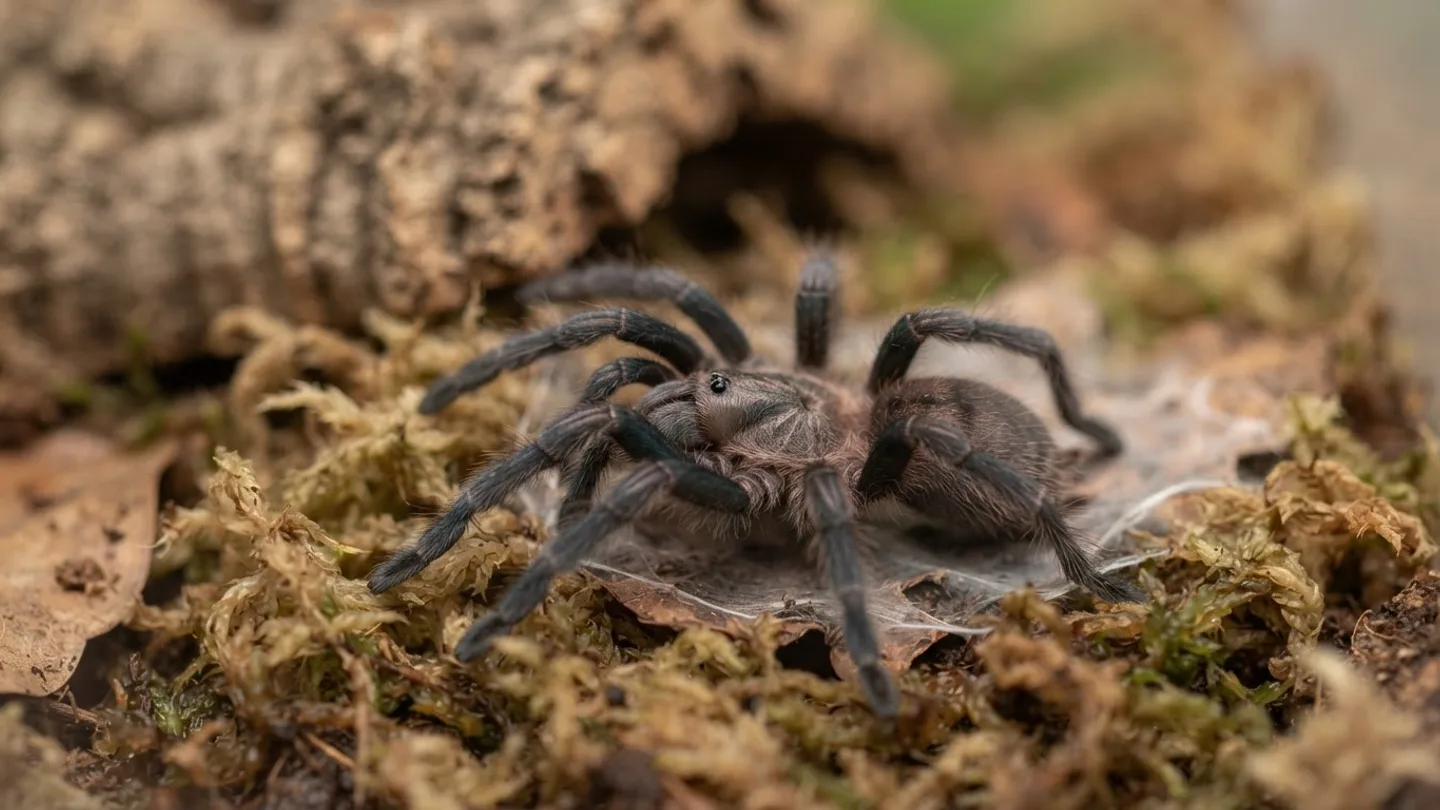
Many tarantulas molt on their backs. Some ground-dwelling species spin a silk mat and lie flat. Some arboreal species may use a tube, cork, or bark retreat and may look curled or partly hidden. The exact pose is less important than the pattern: a still spider with relaxed or slightly drawn legs is often molting, not dying.
Premolt is the stage before the shed. A premolt spider may stop eating, look darker, lose hair from the abdomen in some species, and become very still. This stage can last days to weeks, so a motionless spider on its back is often simply doing the slow part of molting.
A death curl is different. It is a stiff, curled posture that can appear when a spider has died from dehydration, old age, a failed molt, injury, or a toxic exposure. The legs may curl tightly underneath or alongside the body, and the spider will not relax or move later.
Species matter. A desert species may look more wrinkled when dry than a tropical species. If your spider came with a species name, check its specific care sheet for humidity, temperature, and molt timing.
Watch from outside the enclosure
Put your hand behind you and observe for at least 24 hours. Do not poke the spider with tweezers, turn the container, or move it to another enclosure during this window.
Note the leg posture
Relaxed or partly drawn legs point toward a molt. Tight, rigid curls with the feet pulled hard underneath the body point toward a death curl.
Look for molt clues
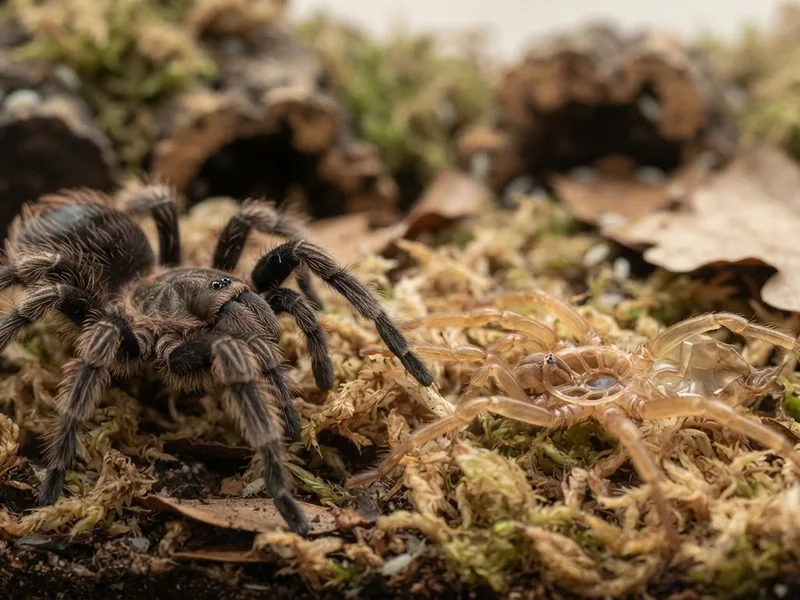
Check for a silk mat under the spider, a glossy surface on the new body, a thin clear or pale line near the front of the cephalothorax, or a loose old exoskeleton near the leg bases. These are signs of a shed or completed molt.
Check life stage and recent history
A sling or a spider that recently ate and then stopped often is in a normal growth cycle. An older adult may molt less often, so timing may feel longer.
Use light and airflow, not contact
Shine a flashlight at a low angle to see surface detail. If you need to test responsiveness, wait and watch. Do not blow hard on the spider, and do not mist it to see if it moves.
Leave the enclosure setup alone
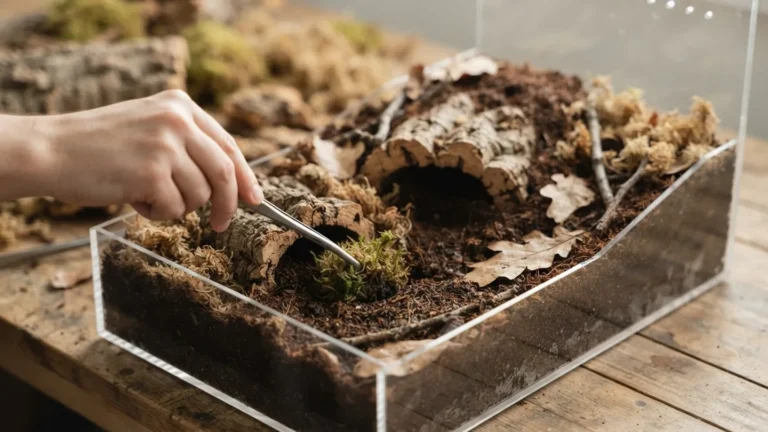
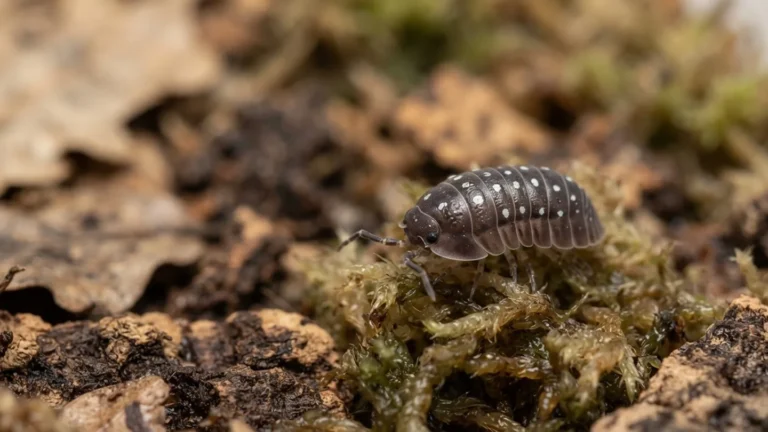
Do not add substrate, rearrange hides, place a heat mat, or add isopods or springtails while you are deciding. The spider needs a stable space.
| Sign | Molting | Death curl |
|---|---|---|
| Posture | Often on back or in a curled but relaxed pose | Often on back with a rigid, unnatural curl |
| Legs | Relaxed, partly drawn, or moving slightly if watched | Tight, stiff, curled under or sideways |
| Body surface | May look glossy, wet, or have a shed line | May look dull, shriveled, or unusually dark, but this is not proof alone |
| Silk | Silk mat, plug, or old skin may be visible | Usually no molt silk; may have old shed from earlier |
| Timing | Happens after premolt signs, stop feeding, and species normal cycle | May happen suddenly without normal premolt progress or after repeated failed molts |
| Do not judge by one look | Give it 24 to 72 hours before deciding | Do not assume death from posture alone; compare all signs |
Typical molting timeline for slings and adults
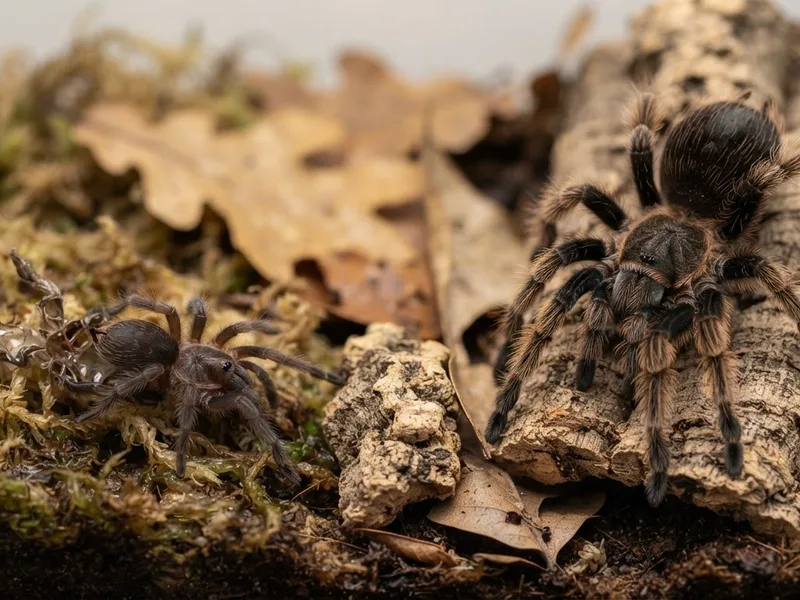
Tarantula molt timing depends on species, size, feeding history, and room temperature. The numbers below are conservative guides, not deadlines. If your spider has been still for a week, that can be normal, especially in a cooler room.
For small slings, premolt signs often last about 1 to 2 weeks before the molt. The actual shed can take from a few minutes to a few hours, and the spider may stay motionless while the new shell dries and hardens for about 1 to 3 days. In cooler rooms, each stage can take longer.
For subadults and adults, the wait can be longer. Some species may show premolt signs for 3 to 6 weeks before shedding, and a mature male, which is a sexually mature tarantula with modified pedipalps, can still molt as it transitions through adult stages. Larger spiders also take longer to dry and regain normal movement.
After the molt, a tarantula may look odd. Fangs can be soft, legs can look pale, and the abdomen may be wrinkled until the new skin sets. Do not rush feeding. Wait until the spider is upright and moving normally, often 3 to 7 days after the shed, before offering prey.
Keep the room steady
Keep the room at about 70 to 80 °F for most commonly kept species. In a US home, keep the enclosure away from drafty windows, vents, and direct heat sources. Do not add a heat mat just because the spider is molting. In a stable room, a heat mat is usually unnecessary and can create a hot, dry spot that complicates humidity.
Keep a shallow water dish within reach
For a small sling, use a bottle cap, small dish, or damp cotton pad so it cannot drown. Replace water if debris falls in, but do not pour water over the spider.
Maintain species-appropriate humidity without soaking the spider
Desert species can have a dry side and a very small moist corner. Tropical species often do better with a moist corner, bark, or cork, but the enclosure should still have a dry resting area. Do not mist directly onto a motionless tarantula.
Remove prey items
If a live cricket or worm is still in the enclosure, remove it after observing for a bit so it does not harass the spider. Do not offer prey while the spider is on its back or soft.
Leave decor and substrate alone
Do not turn, shake, or transfer the enclosure. In a bioactive setup, do not add more isopods or springtails now; leave the clean space stable.
Take a photo for reference
A phone camera can help you compare posture, silk, and timing later. Do this from outside the enclosure without opening it.
After the molt
Once the spider is dry, it may still stay in a molting pose for a day or two. This is normal. Do not interpret the pause as death if it is already lying next to its old skin.
Do not feed until the fangs have hardened enough to strike and the spider is moving normally. A conservative check is to wait until it has been upright and active for 24 to 48 hours, then offer one prey item no larger than the spider's body length.
For slings, use small prey such as flightless fruit flies, pinhead crickets, micro mealworms, or a small piece of already killed prey. For older juveniles and adults, choose prey that is shorter than the spider's body and offer it only a few times per week at most, following the species care sheet.
If a spider has not started moving after 7 days on its back, if the legs are rigid and curled, or if you find an unshed part of the old skin stuck near the fangs or legs, seek help from an experienced keeper or an invertebrate-savvy veterinarian before trying anything at home. Do not pull on stuck skin.
Frequently asked questions
Can I flip my tarantula onto its feet?
No. A molting spider needs to stay still while the old skin splits and dries. Turning it can damage soft new tissue, trap it in the old skin, or turn a normal molt into a fatal stress event.
My tarantula looks shiny and pale, but it is not moving. Is it dead?
That can be a molt. After shedding, the new exoskeleton is glossy and pale until it darkens and hardens. Give it 24 to 72 hours and look for molt clues such as silk, a shed line, or the old skin.
Should I mist a molting tarantula to help it?
No. Light surface humidity helps some species, but direct spraying can block respiratory areas, stress the spider, and make the enclosure too wet. Use a water dish or a moist corner instead.
How long does a tarantula molt take?
The shed can take minutes to hours, but the whole process from premolt signs to recovery can take 1 to 3 weeks for slings and several weeks for larger adults. The room temperature and species matter a lot.
Can a tarantula get stuck in its molt?
Yes, especially if it is dehydrated, injured, or molts in poor conditions. A stuck molt may look like the spider is on its back with part of the old skin still attached. Do not force it; consult an experienced keeper.
Do all tarantulas molt on their backs?
No. Many ground-dwelling species molt on a silk mat on their backs, but arboreal species may use a tube or bark and may curl in a retreat. The posture is one clue, not a full diagnosis.
How do I tell if my tarantula was dehydrated?
Dehydration may show as a shriveled abdomen, wrinkled skin, or a failed molt. Prevention is better than rescue: keep a shallow water dish and species-appropriate humidity, not a soaked enclosure.