Best Beginner Tarantula Species
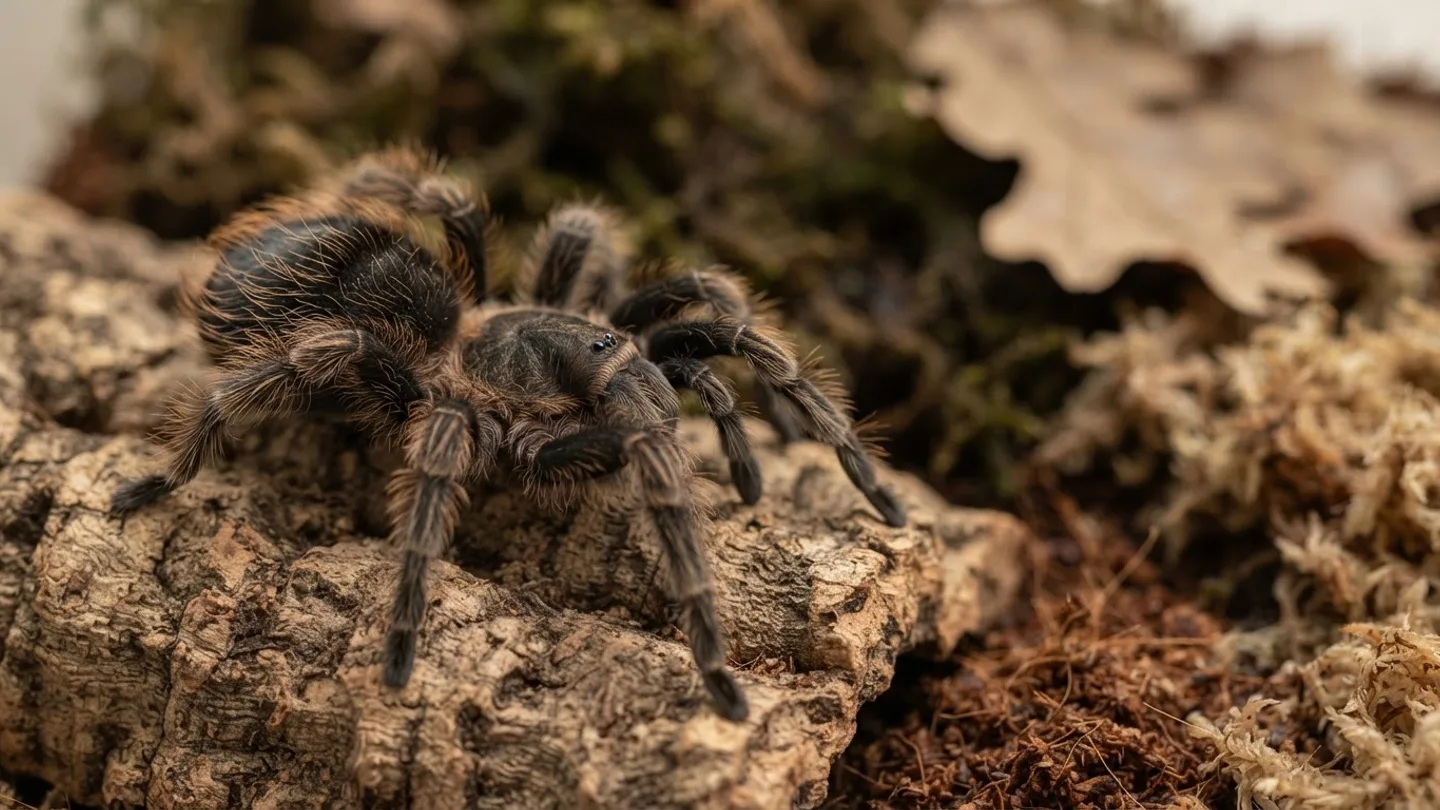
Choosing a best beginner tarantula is about picking an animal that tolerates a normal first setup, not the largest, fastest or most dramatic spider in the shop.
The eight species below are common US beginner choices because they accept room temperature conditions, show calm or manageable behavior for their group, and grow slowly enough that you can learn from small mistakes.
You still need the basics right: an escape proof enclosure, a temperature range near 68 to 78 °F, a water dish, and prey sized against the spider, not your expectations.
Key takeaways
- A first tarantula should be selected for temperament, size and hardiness, not novelty.
- Most beginner species do well at 68 to 78 °F with no heat mat.
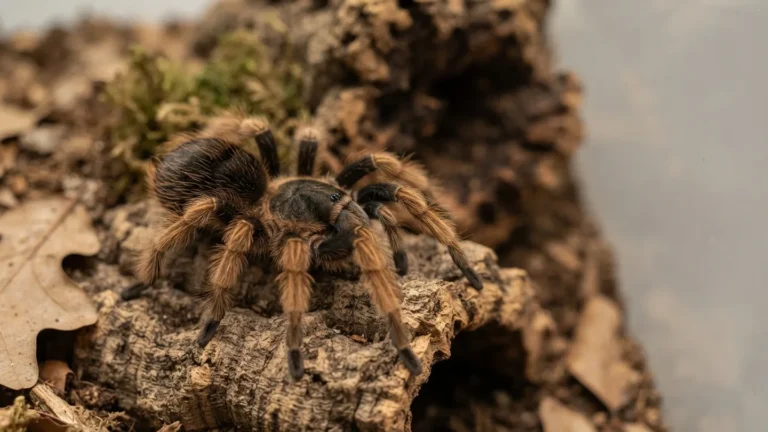
- Curly hair, Chilean rose and Chaco golden knee are among the calmest common options.
- Greenbottle blue, Costa Rican zebra and some Aphonopelma are hardy but fast, so expect viewing rather than calm handling.
- Skip species famous for speed, defensive hair, or large prey needs when you are learning.
How to judge a first tarantula
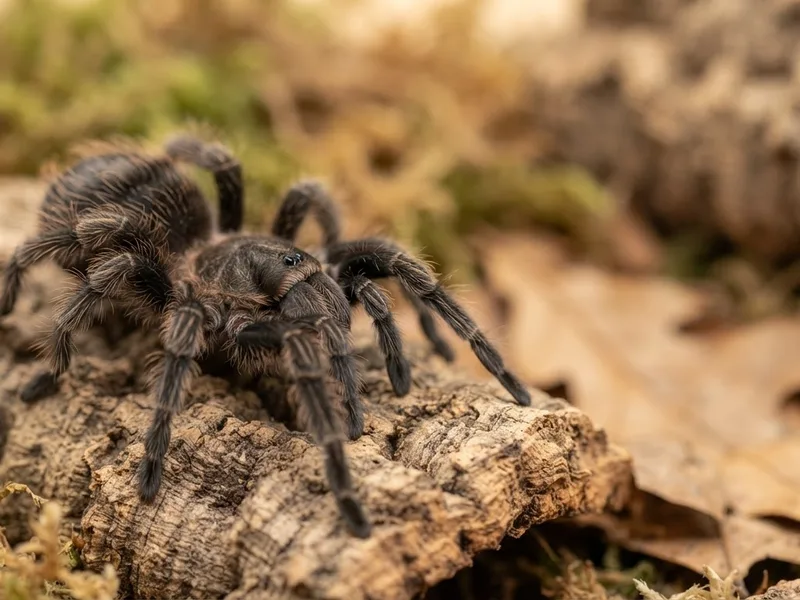
The badge in this ranking is simple: easy means a typical beginner can meet its basic needs with room temperature care and minimal fuss. Moderate means the care is manageable, but temperament, speed or setup adds a problem you should know before buying.
I ranked these by temperament, adult size, feeding tolerance and how forgiving the species is to moisture, temperature and enclosure mistakes. This is a keeper consensus ranking for US room culture, not a lab study.
This ranking also assumes you know urticating hairs, barbed abdominal hairs that can irritate skin and eyes, are a normal defense in many New World tarantulas.
Adult sizes are listed as leg span, which is the measurement you should use for enclosure planning. A leg span is the distance between the tips of two opposite legs, so a 6 inch spider can move across a surprisingly wide area.
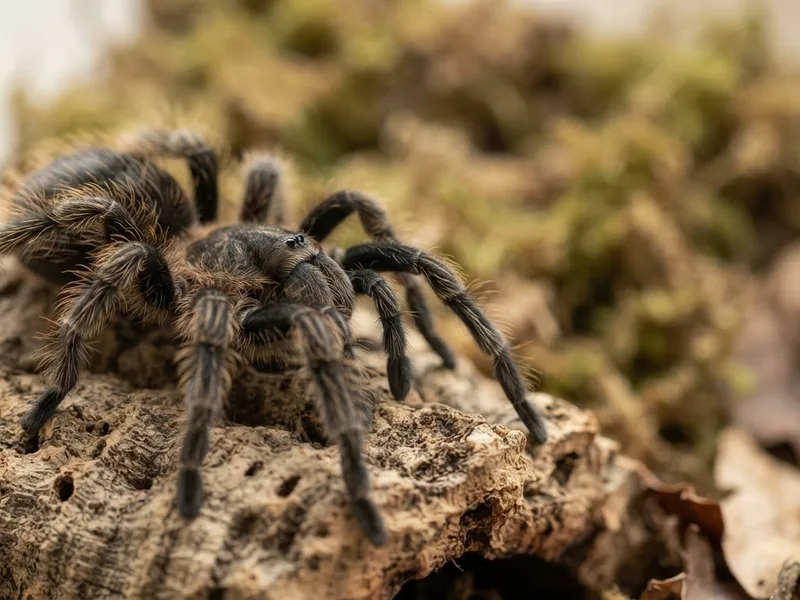
| Rank | Species and common name | Difficulty badge | Adult leg span | Temperament | Why it suits beginners |
|---|---|---|---|---|---|
| 1 | Curly Hair, Tliltocatl albopilosus, formerly Brachypelma albopilosum | Easy | 4 to 6 inches | Calm, slow, usually low drama | Forgiving to minor moisture and setup mistakes while still easy to find. |
| 2 | Chilean Rose Hair, Grammostola rosea | Easy | 4 to 6 inches | Calm, slow, tolerant of dry conditions | A classic first spider because it accepts room temperature and simple terrestrial care. |
| 3 | Brazilian Black, usually Grammostola anthracina | Easy | 5 to 7 inches | Generally calm, display oriented | Acts like a black rose hair relative, giving beginners a hardy terrestrial species with a neat look. |
| 4 | Chaco Golden Knee, Grammostola pulchripes | Easy | 6 to 7 inches | Calm, slow, less nervous than many large species | Large enough to be impressive, slow enough to be manageable in a quiet enclosure. |
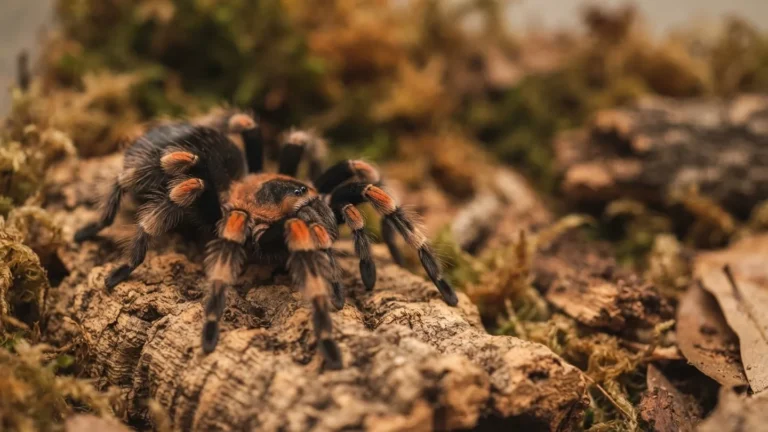
| 5 | Mexican Red Rump, Tliltocatl vagans, formerly Brachypelma vagans | Easy, with a hair note | 5 to 7 inches | Usually docile, can kick urticating hairs | Good starter because it is slow and easy to observe, with basic terrestrial needs. |
| 6 | Greenbottle Blue, Chromatopelma cyaneopubescens | Moderate, fast | 6 to 7 inches | Hardy, fast, skittish | It tolerates common beginner conditions well, but its speed means you should treat it as a display animal. |
| 7 | Texas Brown, Aphonopelma hentzi and related Aphonopelma species | Easy, skittish risk | 4 to 6 inches | Variable, often cautious | A US native group that can be kept at room temperature with dry side humidity, if you accept less reliable handling. |
| 8 | Costa Rican Zebra, Aphonopelma seemanni | Moderate, fast | 5 to 6 inches | Fast, resilient, more nervous than calm | It is forgiving on substrate and temperature, but it is not the species to choose if you want a calm first display. |
Popular species to skip for now
Some species are popular because they are beautiful, large or dramatic, not because they are forgiving. If this is your first tarantula, skip them until you have learned the basics.
Poecilotheria species, especially the Indian giant and ornate tarantulas, are fast, defensive and more likely to bite than most beginner species.
African horned tarantulas, especially Ceratogyrus species, are often nervous, skittish and can bite with little warning.
African brown baboons and related Harpactira species are quick and can produce strong urticating hair irritation.
Goliath birdeaters and similar large Theraphosa or Lasiodora species create feeding, space and safety problems that a first setup should not carry.
Many Avicularia and Psalmopoeus species are fine for careful keepers, but arboreal escape risk and fast climbing make them a weaker choice for a nervous beginner.
Common first spider questions
Is a beginner tarantula likely to bite?
Most beginner species prefer to hide or escape. A bite is usually a last resort and feels like a bee or wasp sting to many people, but reactions vary. Seek medical care promptly if you have an insect venom allergy, trouble breathing, swelling, spreading symptoms or pain that worries you.
Do they need a heat mat?
No, not for most room temperature beginner species. A stable 68 to 78 °F room is enough for most. Heat mats can dry a burrow, cause uneven temperatures and lead to bad molting, so use one only when the room is genuinely too cool and you can monitor the enclosure.
How often should I feed?
Feed by life stage, not by calendar alone. For a sling, a young tarantula just past spiderling size, offer small prey such as flightless fruit flies, pinhead crickets or small roaches every 2 to 3 days if the abdomen is normal. For juveniles, offer prey about the size of the spider abdomen 1 to 2 times weekly. For adults, 1 to 2 medium prey items every 2 to 4 weeks is usually enough. Remove uneaten feeder insects after a day.
What does a normal molt look like?
A molting spider may stop eating, darken, become less mobile, or show a shiny, thin or balding abdomen. It may be in water dishes or refuse a hide. Do not feed or disturb it during a molt. If it lies on its back with legs curled, that can be normal. If legs are not moving for a long time and the setup is not wet or too hot, seek advice from experienced keepers, not from panic.
Can I handle it?
No regular handling is needed for a tarantula. If you must move it, do it over a low, padded surface, use a cup and sheet transfer method, and never transfer spider to hand. Most beginner species are better watched than held.
Basic care that makes a beginner species forgiving
These species are called beginner friendly because the setup is forgiving, not because the spider wants to be handled. Plan for a quiet room, a secure lid and a feeding schedule that you will not overthink.
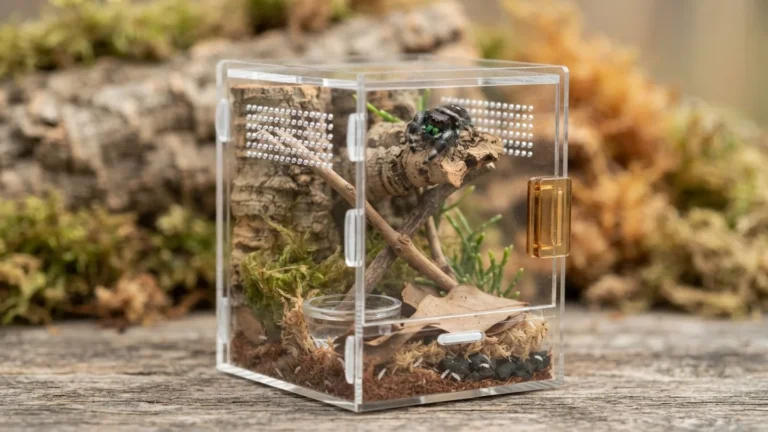
Enclosure size: For an adult with a 5 to 6 inch leg span, use a 10 to 12 inch by 6 to 8 inch terrestrial tub or terrarium. For a sling, a ventilated deli cup or small jar with enough floor to climb is fine for the first feedings, then move it to a 4 to 6 inch tub as it grows. Arboreal species such as greenbottle blue need vertical room and good ventilation, not soaking substrate.
Temperature: Keep the enclosure in a stable room range of 68 to 78 °F. Avoid direct sun, vents, drafty windows and heat mats. If your room is colder than 65 °F, a warm room is better than a hot enclosure.
Humidity: Terrestrial species need a moist side and a dry side. Put a small water dish in the dry side or near a corner so the spider can drink without sitting in a wet burrow. Arboreal species need airflow more than wetness; mist the sides lightly once or twice a week and let the enclosure dry between mistings.
Feeding: Use prey smaller than the spider body. Frozen and thawed insects are often safer and less messy than a live feeder that may hide and stress the spider. If a spider is premolting, the preparation stage before shedding, it will usually stop eating. Remove live feeders and leave it alone.
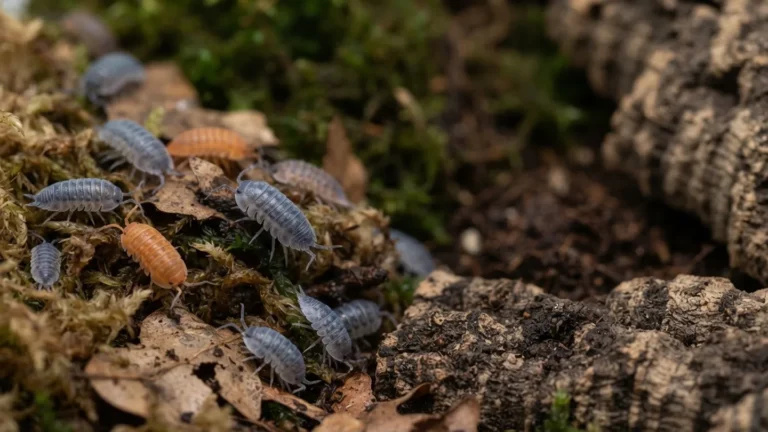
If you are also considering other starter invertebrates, our beginner invertebrate care guide covers jumping spiders and isopods with the same conservative setup logic.