Tarantulas as Pets: Pros, Cons and What to Expect
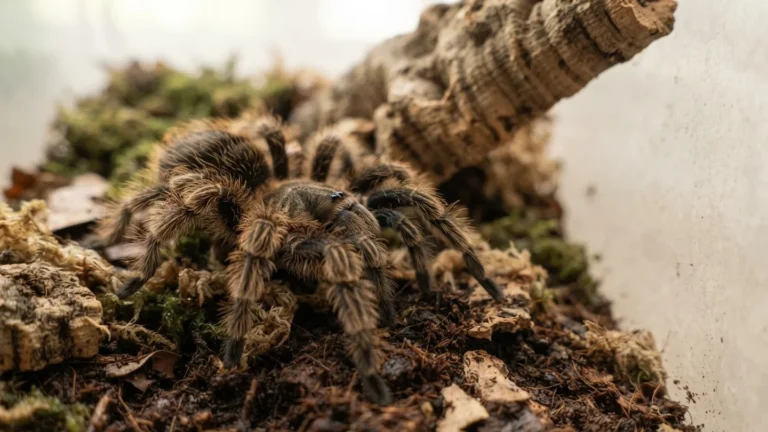
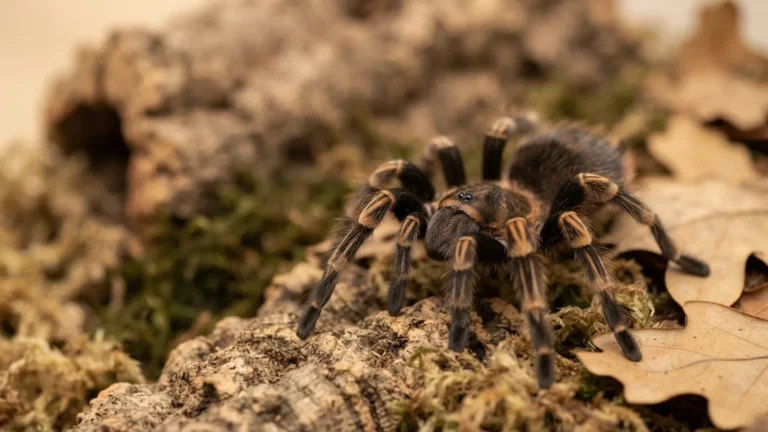
A tarantula as a pet suits you if you want a quiet, slow-moving animal that shows behavior over years. It does not suit you if you want regular touch, a pet that follows you, or an animal you can move easily between rooms. Think of the spider as a small tenant with strong instincts.
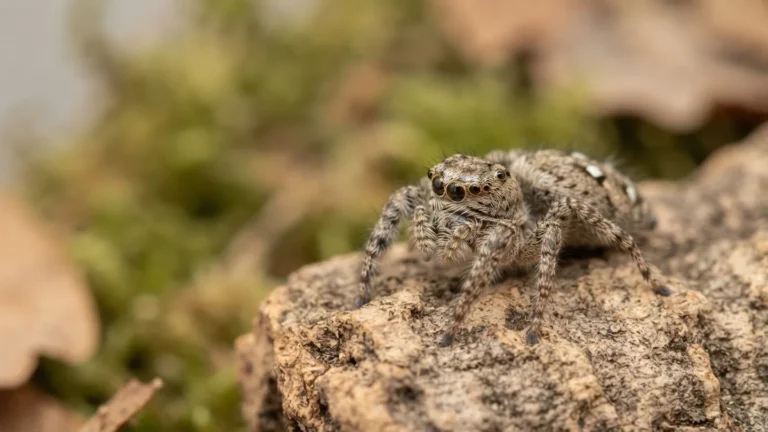
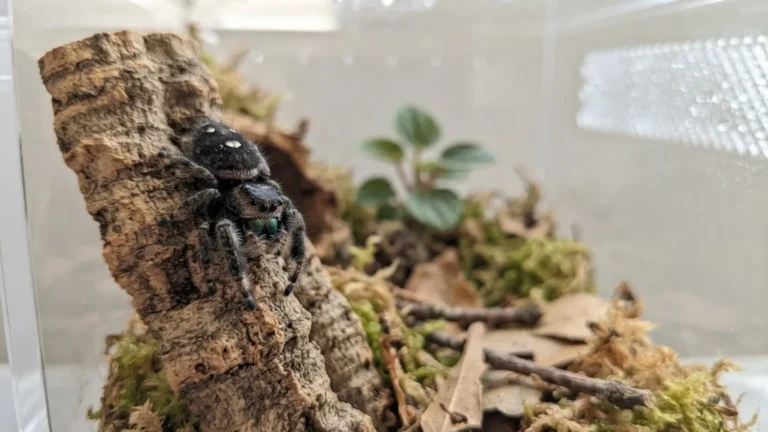
Most keepers choose between a tarantula, a jumping spider, and a starter culture of isopods or springtails. A tarantula gives you feeding, molts, and hide use. A jumping spider gives you visible hunting and a smaller setup, but usually a shorter life. A starter culture gives you a cleanup crew, small organisms that help manage waste in a living enclosure.
Key takeaways
- A tarantula is a display animal, not a cuddly pet.
- Females often live much longer than males, with decades possible for some species.
- Enclosure size should follow leg span and body length, not packaging.
- Feeding is tied to life stage and appetite, not a fixed weekly rule.
- Handling should be limited, especially during the molt cycle.
- A jumping spider may be a better choice if you want visible activity.
Is a tarantula the right pet for your home?
Start by naming what you want from the animal. If you want a calm presence on a shelf, a species with a sturdy build and a predictable schedule can work. If you want interaction, this hobby will disappoint you. Tarantulas are not domesticated.
If you want to observe behavior, watch feeding response, molt cycle, and web pattern. That is the pet. The spider is doing what it evolved to do. You are arranging a small environment where it can do it safely.
If you have young children or curious guests, keep the enclosure out of reach and explain that the animal stays inside. Accidents are rare when setups are managed, but risk tolerance matters.
Pros
- Years of display value for a small animal
- Low daily attention once the setup is stable
- Modest ongoing cost for many species
- Interesting feeding and molt cycles
- Some species tolerate human presence from a safe distance
Cons
- No cuddling or regular handling
- Escapes can be hard to recover
- Molt cycle behavior can look alarming to new keepers
- Defensive hairs and bites need careful management
- Care needs vary by species, so generic advice can fail
Lifespan by sex and species
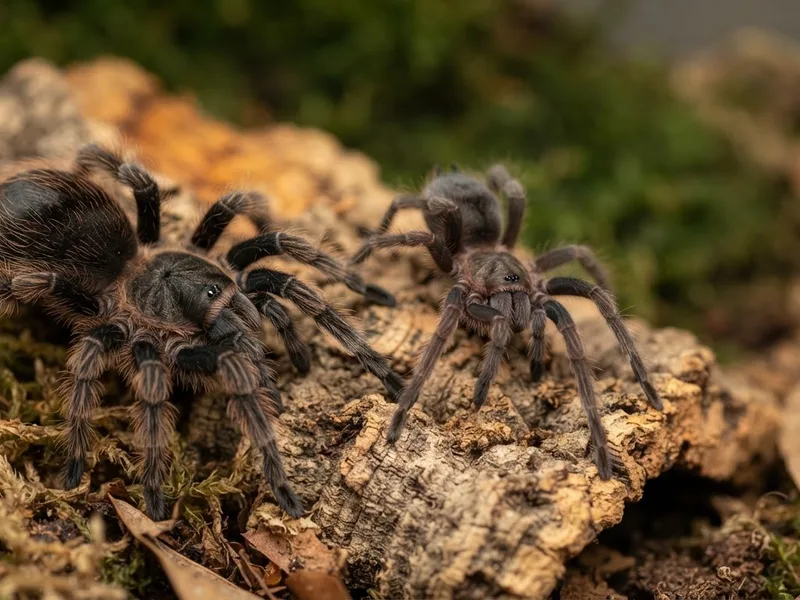
Lifespan is the biggest expectation error. Female tarantulas often live much longer than males. Many commonly kept females live 10 or more years, and some species are known to live 20 or more. Males usually mature faster and live a shorter adult phase, often 1 to 3 years after maturation, depending on species and care.
The phrase mature male matters. Once a male has reached adult maturation, often marked by enlarged pedipalps and sometimes a change in behavior, it is no longer a growing juvenile. Its remaining life can be short. That is normal, not a keeper failure.
A sling, or juvenile, has fast growth. As it approaches premolt, the phase before shedding, it may stop eating, darken, or look glossy. The shed itself is sensitive. Leave the spider alone until it has fully hardened and its legs and fangs look normal.
Some climbing species are shorter-lived than large ground species. If you are choosing for a child, or for a long-term hobby commitment, ask the breeder or store for a species with a documented adult lifespan, not just a common name.
| Factor | Tarantula | Jumping spider |
|---|---|---|
| Best for | A calm display animal over years | A small, active explorer for a short to medium commitment |
| Lifespan | Females often live 10 or more years, males often live 1 to 3 years after maturity | Usually shorter than tarantulas, with large variation by species |
| Enclosure footprint | Floor area sized to 2 to 3 times leg span for many adult ground species | Small, based on body length, with strong ventilation |
| Handling | Limited, and not for regular holding | Limited, but the animal is much smaller |
| Feeding | Prey sized to body, every few days as a sling and every 1 to 2 weeks as an adult | Small live prey, often more frequently while active |
| Visible behavior | Slow feeding, molts, and hide use | Curious hunting, stalking, and web building |
| Risk | Defensive behavior and irritation risk vary by species | Low hazard for common species, but tiny escapes are possible |
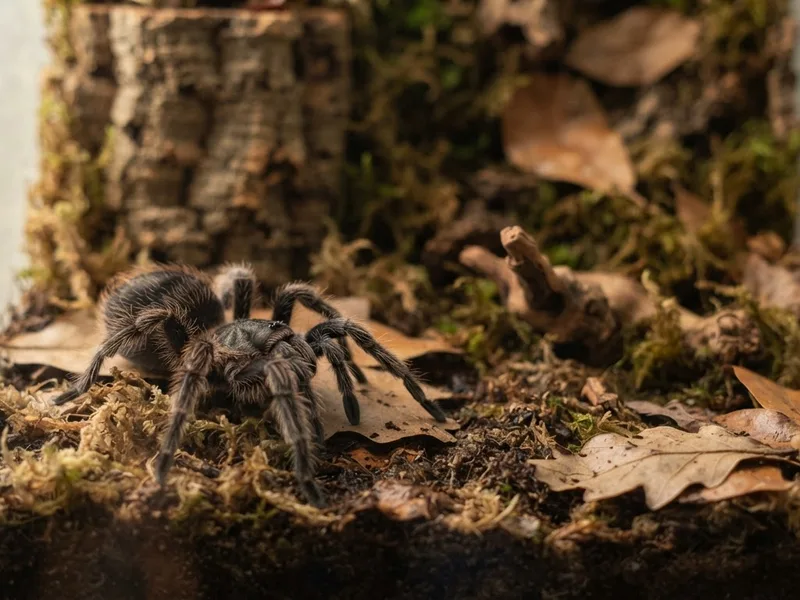
Space and enclosure size
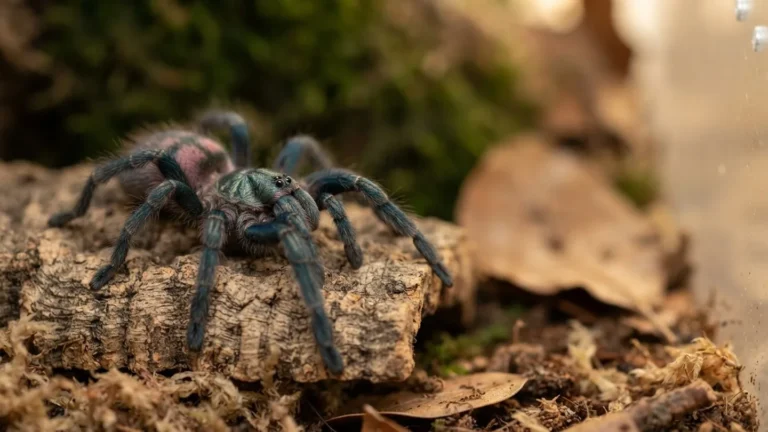
Size the container around the animal, not around the display. Terrestrial species live mostly on the ground. For those, choose floor area that is at least 2 to 3 times the leg span. Arboreal species climb. For those, add height, climbing texture, and a hide near the top. The animal should be able to walk, turn, and hide without feeling crowded.
A small sling may start in a 2 to 3 inch square cup. As it grows, move up when its body or leg span approaches most of the floor area. Do not keep a growing spider in a container that is much larger than its natural search range, but do not keep it in a large enclosure from day one.
Keep ventilation adequate and openings sealed. A tarantula can push through a gap that seems too small. Use a tight lid or mesh sized for the species, especially if the spider is small or fast.
For many species, a dry side, a damp corner, and a shallow water dish are enough humidity management. Full misting is not always better and can trap moisture in a poorly ventilated enclosure.
Set the enclosure before the spider arrives
Plan the species
Confirm adult size, temperature tolerance, humidity needs, temperament, and legality in your state.
Build the enclosure
Use a secure container, substrate, one hide, and a shallow water dish. Finish the setup before the animal arrives.
Match the temperature
Hold the enclosure at a range suited to the species. For many commonly kept tarantulas, 65 to 80 °F is a safe starting range. If care guides disagree, choose the cooler end.
Add humidity carefully
Most species need a dry side, one damp corner, and a water dish. Full enclosure wetness can cause mold, mites, or molting problems.
Move the spider by cup and card
Let it walk onto the card or into the cup. Do not pinch legs or body.
Wait before feeding
Give the spider a few quiet days. Offer small prey only after it has settled. Remove uneaten prey after one day.
Cost, feeding rhythm, and handling limits
Ongoing cost is usually dominated by prey insects and replacement substrate, not rare supplies. The bigger expense is fixing a setup after a bad start. If you are deciding whether a tarantula is a good pet, judge the commitment by attention to detail, not sticker price.
Feeding rhythm should track appetite, not a calendar alone. A growing sling may accept prey every 3 to 7 days. A healthy adult may eat only every 1 to 2 weeks. Offer prey that is no larger than the spider body, and remove leftovers after one day.
Overfeeding is common and easy to spot. A plump adult that refuses prey for weeks is likely normal. A hungry spider that takes a very large prey item can still suffer stress or a bad molt, so err small.
If your room temperature swings and the enclosure gets cold, check with a thermometer before adding heat. Many commonly kept tarantulas do not need a heat mat. A heat mat without temperature control can trap heat against the substrate and harm burrowing animals.
Handling should be rare. Many species do not tolerate being held. They can fall, get stressed, or become defensive. A fall from a few inches can rupture a large abdomen or kill a small one.
If you need to move a spider, use a clear cup and a stiff card. Wait for calm. Do not chase it across the room.
Urticating hairs are a real consideration. Some tarantulas kick barbed hairs from the abdomen. The hairs can irritate skin and eyes. Wash your hands after enclosure work and keep your face away from the lid.
Bites should be discussed calmly. Tarantula venom potency varies by species. A bite can be painful. If pain, swelling, or eye symptoms continue or worsen, get medical advice.
Common questions
Can I hold my tarantula every day?
No. Daily handling raises stress and fall risk. Reserve handling for moving the spider when needed.
How long can a tarantula go without eating?
Tarantulas can skip meals for a long time, especially in cool weather or before a molt. Watch body weight and activity, not hunger. If the spider looks thin or dehydrated, review temperature, water dish, and prey size.
Is a tarantula good for a beginner?
It can be if you choose a tolerant species, care for it as a display animal, and get the enclosure right. A poor first choice is a skittish, defensive, or poorly documented species.
Do most tarantulas need a heat mat?
Not necessarily. Many commonly kept species do well at room temperature. If the room is consistently below the species range, use a thermometer first and add gentle external heat only if you can monitor it safely.
What does premolt look like?
The spider may stop eating, darken, look glossy, or move awkwardly. Do not force feeding or handling. Keep conditions stable until the shed is complete and the spider looks firm.
Should I choose a jumping spider instead?
Choose a jumping spider if you want visible daily behavior, a small setup, and shorter commitment. Choose a tarantula if you want a long-term display animal and can respect handling limits.